
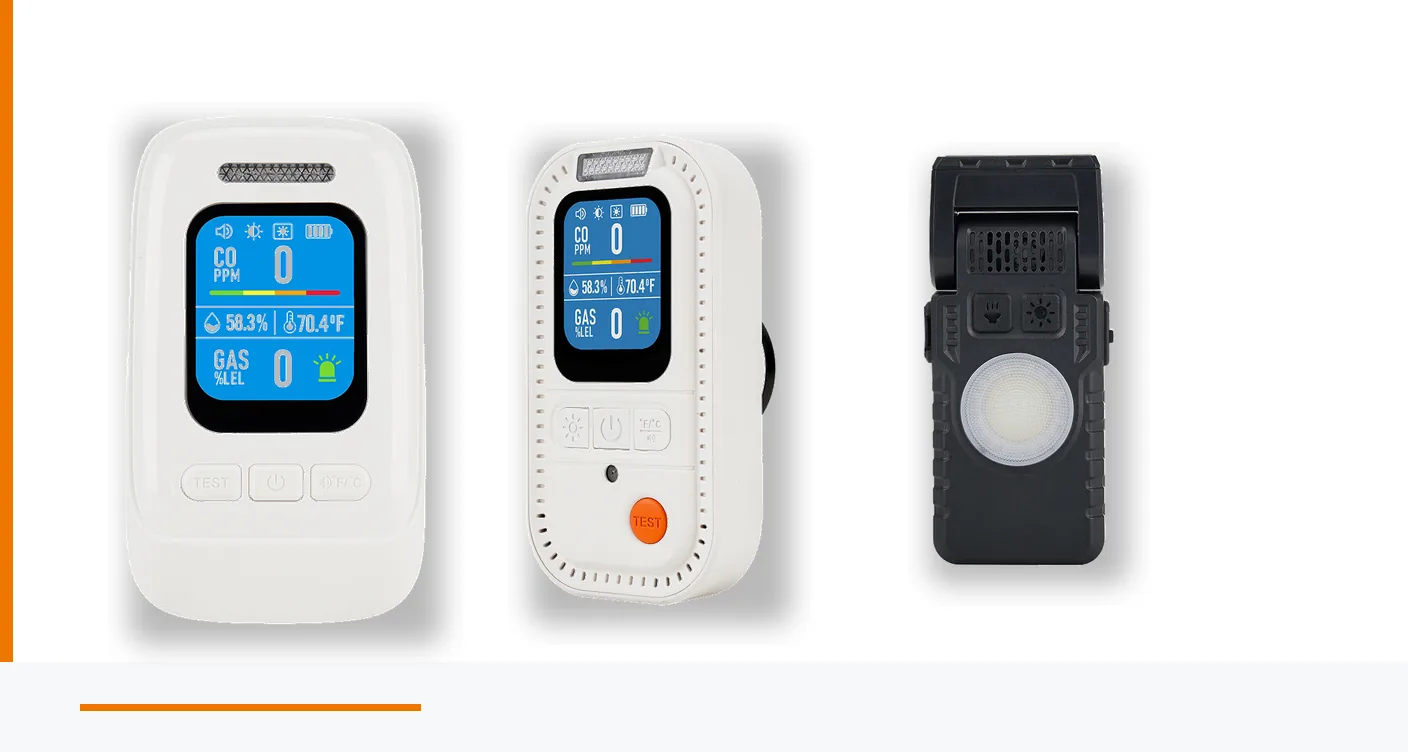
Every gas or carbon monoxide alarm eventually reaches a chemical limit—not just a plastic housing limit. For importers and private-label brands, understanding gas detector sensor lifespan decides warranty wording, replacement SKUs, and whether a “10-year” claim is honest. Sensors expire because electrolytes dry out, heaters fatigue, or catalysts are poisoned. This guide explains when and why common sensor types age out, how dual combustible + CO devices complicate planning, and how B2B buyers can schedule end-of-life (EOL) programs with SORBO’s live gas detector platforms.
What “Sensor Lifespan” Means in a Commercial Spec
In a factory datasheet, gas detector sensor lifespan is the period during which the sensing element is expected to meet calibration and alarm performance under stated conditions. It is not the same as housing durability, battery calendar life, or the date stamped on a carton. Three clocks usually run in parallel:
- Chemical / catalytic life — electrolyte volume, electrode activity, or catalyst health.
- Power architecture life — sealed lithium decade, replaceable cells, or continuous AC for heated sensors.
- Firmware / compliance life — mandatory EOL chirps, self-test behavior, and certification assumptions for a given SKU.
SORBO’s own category guidance states that sensor life varies by sensor type, environment, and use frequency, and that units should be replaced when an end-of-life warning appears or when the recommended service period is reached. Buyers should treat that as the commercial baseline, then map each SKU’s sensor chemistry before printing decade-long claims.
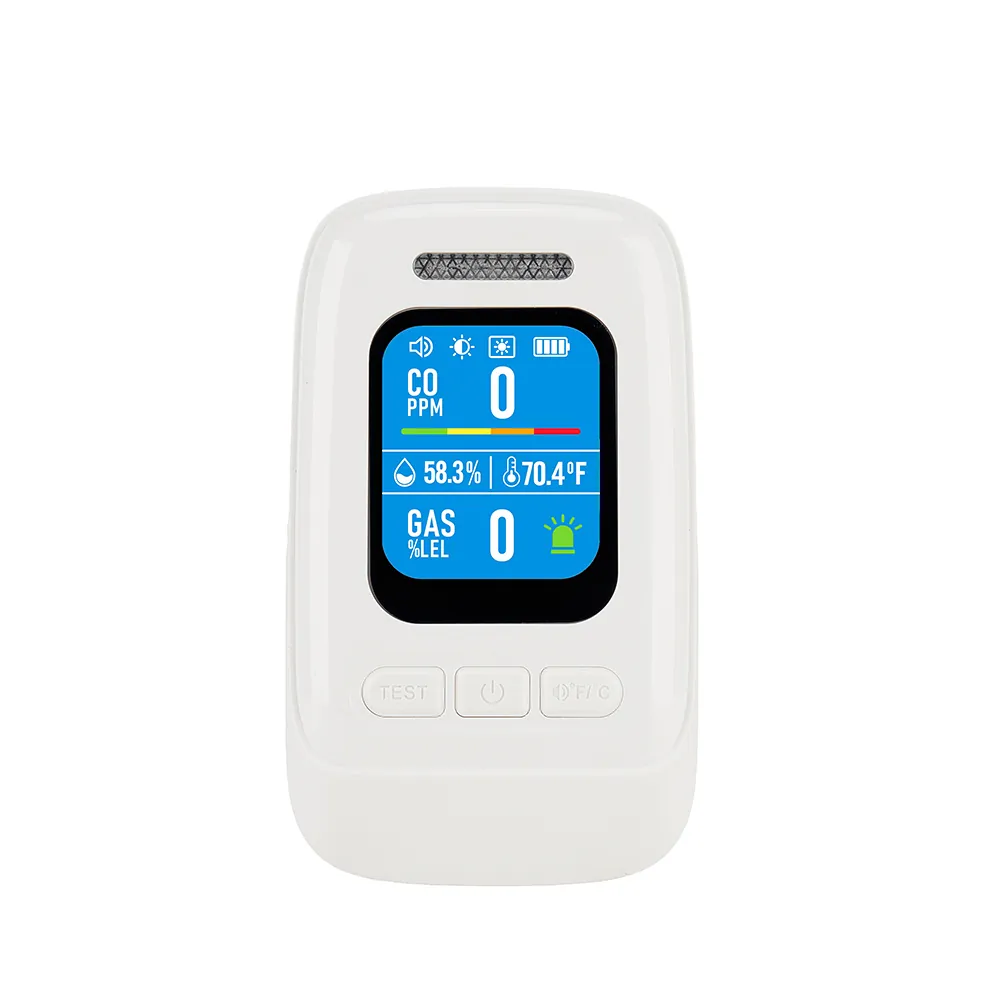
Planning sensor life into your private-label brief?
Tell SORBO your markets, sensor mix (CO / combustible / dual), and warranty targets—we align OEM wording with real cell ratings.
Why Sensors Expire: Chemistry, Heat, and Poisoning
Sensors do not “wear out” like mechanical switches. They lose usable sensitivity for technology-specific reasons. Align your assortment language with the mechanisms below (also covered in SORBO’s deeper pieces on how electrochemical CO sensors work and semiconductor vs catalytic gas sensors).
Electrochemical CO cells (typical 5–10 years)
- Finite electrolyte and electrode area; arid climates (sustained low humidity) encourage evaporation and rising impedance.
- Very high humidity can dilute electrolyte; silicone vapors, solvents, and sulfur compounds can passivate catalysts.
- Premium sealed designs used with 10-year lithium CO alarms are built for a full decade, then announce EOL so the whole unit is replaced—see why 10-year battery CO alarms win.
Metal-oxide semiconductor (MOS) combustible sensors (often 5–10 years in clean air)
- Heated sensing film runs continuously (tens of mA), so thermal fatigue and baseline drift accumulate.
- Cooking alcohols, steam, and VOCs drive nuisance alarms and accelerate perceived “aging” in retail reviews even when the element still responds.
- No consumable liquid electrolyte, so calendar life can be long—if the heater and calibration stay honest.
Catalytic bead / pellistor sensors (often 3–5 years, poisoning-dependent)
- Platinum catalyst sites are vulnerable to silicone, lead, and sulfur poisoning; once poisoned, response may not recover.
- Higher heater current than many MOS designs; almost always AC plug-in or hardwired in residential gas alarms.
- Commercial buyers should demand poisoning guidance and replacement intervals in manuals, not only LEL accuracy tables.
False-alarm and drift patterns that show up near end of life are discussed in SORBO’s gas detector false alarm guide—including EOL chirps that users mistake for leak alarms.
Interactive Tool: Sensor End-of-Life Replacement Planner
Use this planning-only tool to estimate a fleet replacement window from sensor type, climate stress, rated years, and years already in service. It does not certify devices, set legal warranty terms, or replace manufacturer EOL firmware.
Sensor End-of-Life Replacement Planner
B2B fleet planning for gas detector sensor lifespan — not a safety certification or medical tool.
Set sensor type and years, then calculate a planning window.
Disclaimer: Approximate assortment-planning model only. Real EOL must follow the unit’s rated life, firmware chirps, and applicable standards. SORBO is not liable for purchasing decisions based solely on this planner.
Dual Combustible + CO Units: Two Lifespans on One PCB
Many retail heroes—including SORBO’s plug-in combustible gas and CO detector and rechargeable combustible gas and CO detector—put a heated combustible sensor beside an electrochemical CO cell. That is excellent for kitchen and utility-room positioning, but it changes how you talk about gas detector sensor lifespan:
- The CO cell may still be within a 5–10 year band while a catalytic element is already near a 3–5 year commercial horizon.
- Power design follows the hungrier sensor: continuous heaters need plug-in or hardwired supply; pure CO can use sealed lithium (see battery vs hardwired gas detectors).
- Packaging should state replacement guidance for the unit as a whole, not imply that swapping batteries restores an expired gas sensor.
Assortment fix for brand owners: keep long-life sealed CO as its own residential wall story under the indoor carbon monoxide detector category, and treat multi-gas plug-in/rechargeable SKUs as a separate lifecycle SKU with clearer mid-term refresh expectations.
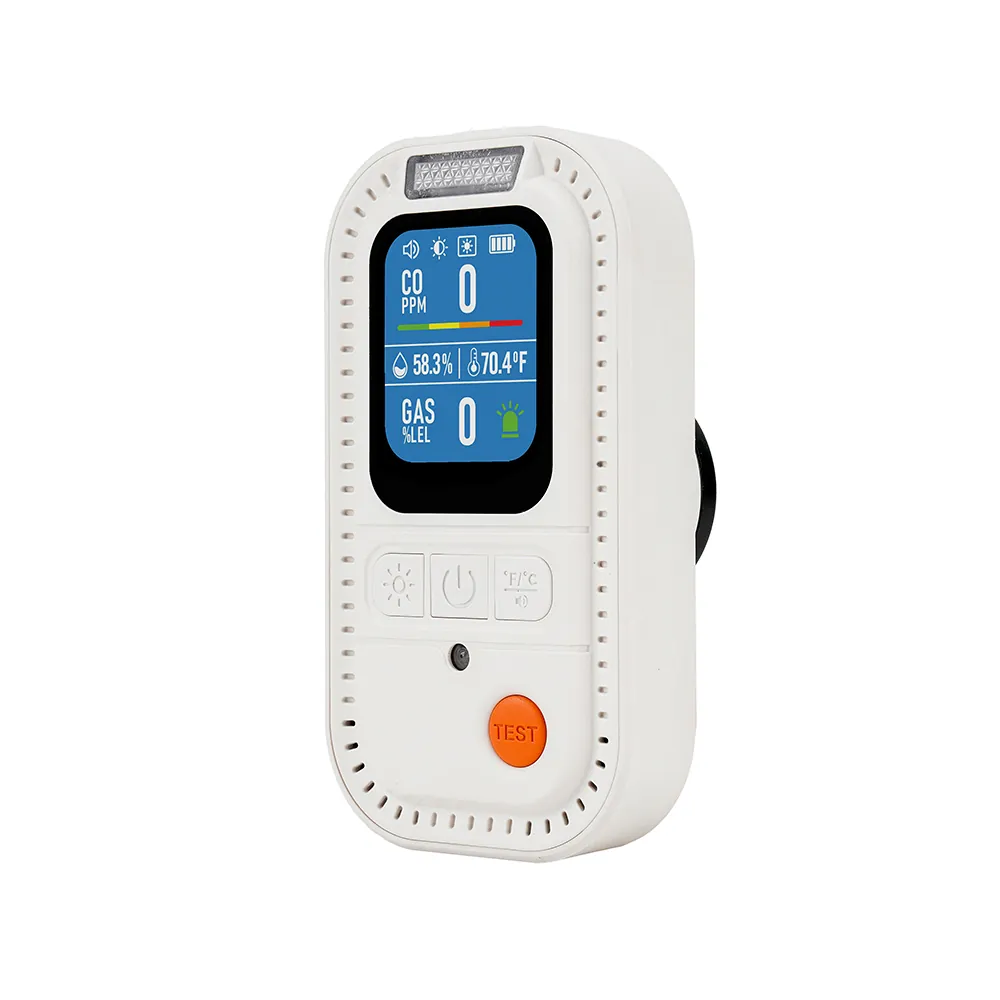
Need separate CO vs multi-gas lifecycle SKUs?
SORBO OEM/ODM can split sealed CO, plug-in combustible + CO, and portable lines so warranty copy stays honest.
Climate, Storage, and FIFO: Hidden Lifespan Killers
Even a well-rated cell can arrive “young on paper, old in chemistry” if inventory is mishandled:
- Unpowered storage — quality electrochemical sensors often tolerate about a year in controlled 15–25°C / 30–70% RH conditions before assembly; longer staging erodes margin for the retail decade claim.
- FIFO discipline — importers should require first-in, first-out warehouse rules so cartons do not sit through multiple humid seasons.
- Kitchen / VOC exposure — accelerates nuisance trips and perceived failure; placement education (methane rises, LPG sinks) still matters—see natural gas vs LPG detector placement.
- Silicone & solvents — polishing sprays and some construction chemicals are catalytic poisons; manuals should warn installers.
Put storage and FIFO clauses in the OEM quality agreement, not only in a marketing FAQ.
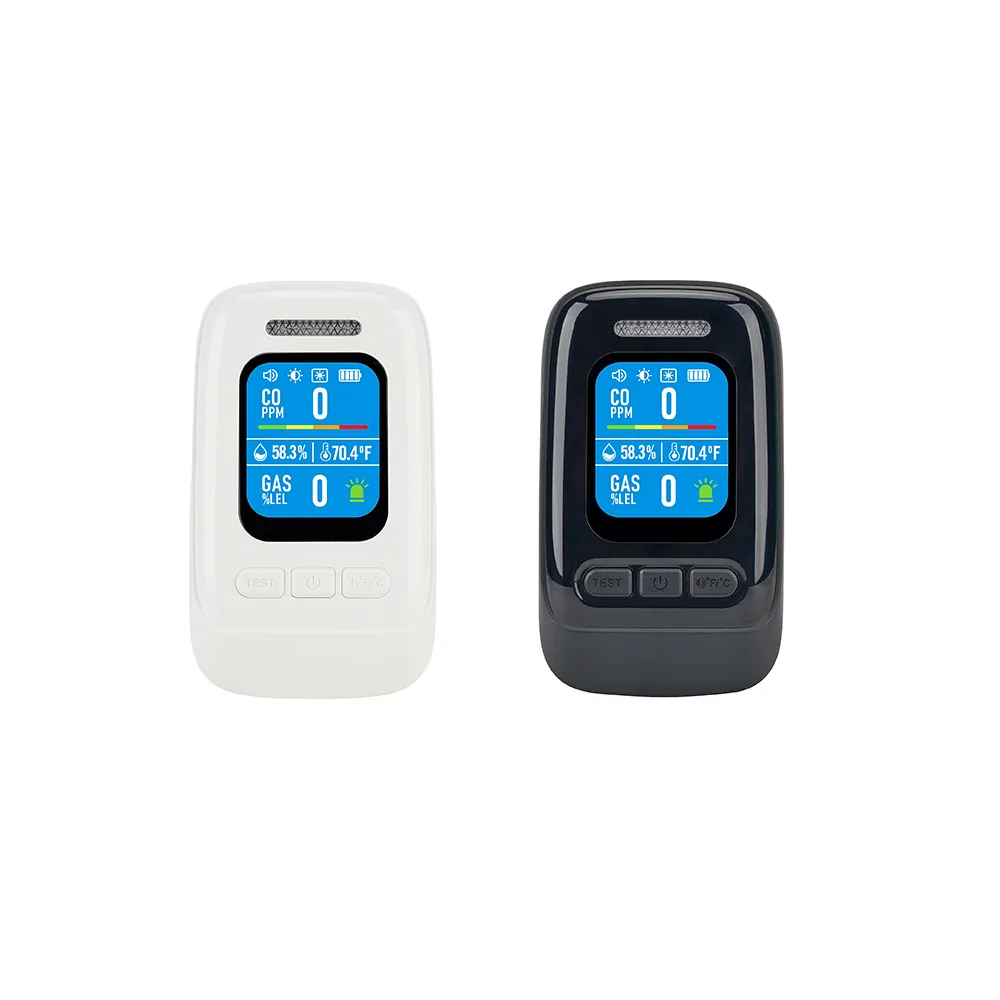
What B2B Buyers Should Put in the RFQ and Manual
Turn lifespan science into purchasing language:
- Named sensor technology per SKU (electrochemical CO, MOS, catalytic, or dual) with supplier grade if available.
- Rated service life and EOL behavior — chirp pattern, display icon, and whether the whole unit is replaced.
- Climate assumptions for the claim (residential indoor vs tropical warehouse risk).
- Power alignment — sealed lithium only where standby current allows; never promise a universal 10-year battery for continuous heated combustible sensing.
- Warranty vs sensor life — commercial warranty years must not exceed what the chemistry and firmware support.
- Support script — distinguish gas-leak alarm, low battery, fault, and EOL so returns do not spike when decade programs chirp.
Portable add-ons such as a portable carbon monoxide detector with flashlight should carry their own duty-cycle and charging guidance; they do not replace fixed residential CO lifespan planning.
Ready to lock lifespan language into an OEM brief?
Browse live detectors, then send target markets, sensor mix, and replacement-cycle goals.
FAQ: Gas Detector Sensor Lifespan
1. What is gas detector sensor lifespan?
It is the period a sensing element is expected to meet detection performance under stated conditions. It depends on sensor chemistry, climate, contaminants, and duty cycle—not only on the plastic housing age.
2. Why do gas and CO sensors expire?
Electrochemical CO cells lose electrolyte or electrode activity; MOS heaters drift with thermal fatigue; catalytic beads can be permanently poisoned by silicones and other contaminants.
3. How long do electrochemical CO sensors typically last?
High-quality cells commonly target about 5–10 years. Premium designs paired with sealed 10-year lithium CO alarms are built for a decade, then signal end of life for whole-unit replacement.
4. How long do combustible gas sensors last?
MOS elements often run 5–10 years in clean conditions; catalytic beads are often planned around 3–5 years depending on poisoning exposure. Always use the manufacturer’s rated interval for the exact SKU.
5. Can I replace only the sensor or battery when a detector ages?
Consumer and most residential B2B programs replace the entire alarm. A fresh battery does not restore an expired chemical sensor. Follow the unit’s EOL instructions.
6. Do dual combustible + CO detectors share one lifespan?
Not necessarily. The heated combustible sensor and the CO cell can age on different clocks. Market the unit’s replacement guidance as a whole, and avoid a single “10-year everything” claim unless both technologies and power design support it.
7. How should distributors plan fleet replacements?
Track activation or install dates, train support on EOL chirps vs leak alarms, enforce FIFO inventory, and budget refresh SKUs before the conservative end of the rated window. Use the planner above for directional scheduling only.
8. What should an OEM RFQ say about sensor life?
Name the sensor type, rated years, EOL indication, storage/FIFO expectations, target climates, and whether warranty years are capped by sensor life. SORBO can help map those fields onto combustible and CO platforms during OEM/ODM discussions.
Conclusion
Understanding gas detector sensor lifespan means treating sensors as consumable chemistry—not eternal electronics. Electrochemical CO, MOS, and catalytic technologies expire on different clocks; dual-gas PCBs inherit the shorter honest story unless you split SKUs. Bake climate, FIFO, and EOL firmware into purchasing rules, schedule fleet refresh with the planner, and keep sealed long-life CO separate from heated combustible monitors when you need a true decade claim. SORBO’s gas detector and CO platforms, with OEM/ODM support, let B2B buyers lock those lifespan rules into manuals and warranties before the first container ships.
Align your next program with real sensor life ratings
Review the catalog, then share sensor mix, markets, and replacement-cycle goals with SORBO.
