
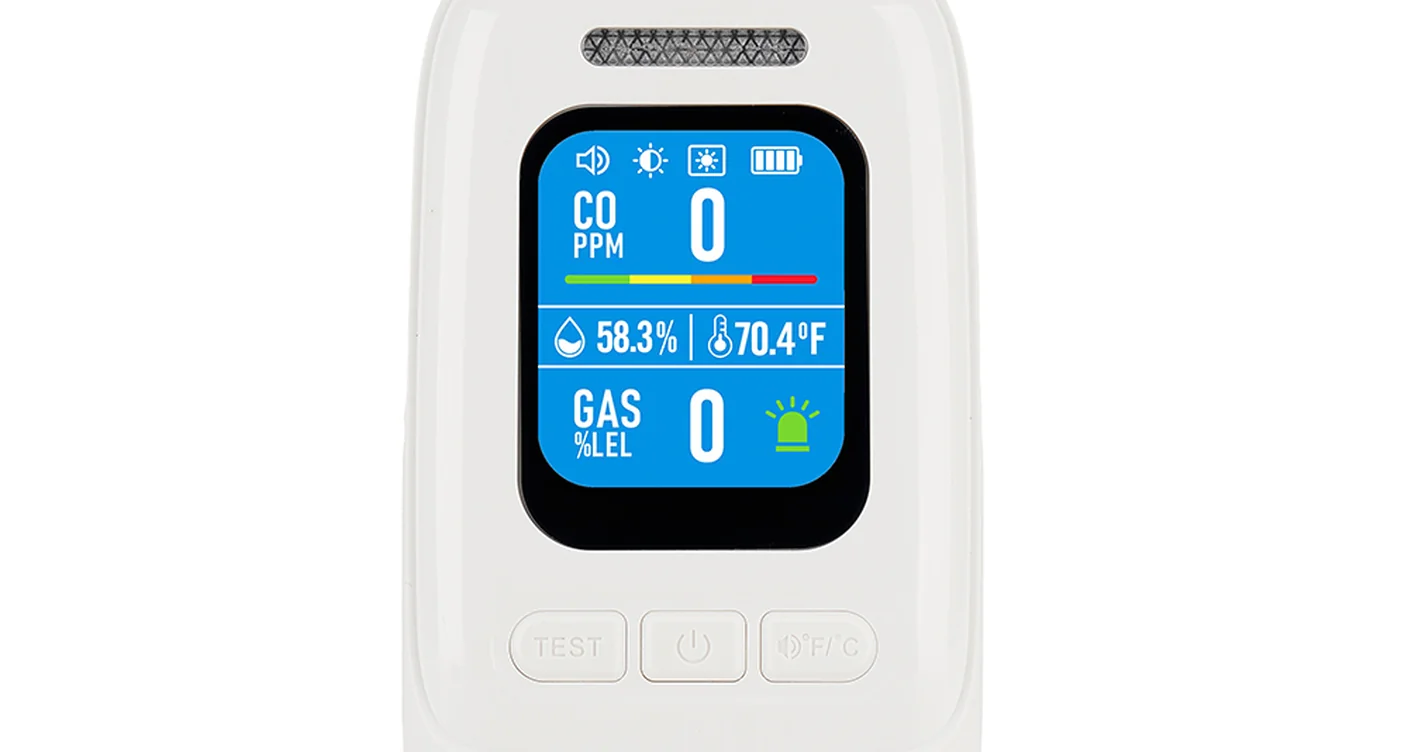
Smart-home buyers no longer ask only “does it beep?”—they ask whether a smart home gas leak detector can sit beside Tuya Wi-Fi hubs, Zigbee meshes, or Matter fabrics their retailers already sell. For importers and private-label brands, those protocols are assortment and RFQ criteria, not buzzwords. This guide shows how Tuya, Zigbee, and Matter differ for gas-safety SKUs, how to keep combustible-gas and CO platforms honest when connectivity is still OEM scope, and how SORBO’s live gas detector line can anchor a dual assortment while you specify hub requirements with the factory.
What “Smart” Means for Gas Leak Detectors in B2B Catalogs
In consumer ads, “smart gas detector” often means an app push when methane or LPG rises. In wholesale catalogs, it usually means a layered decision:
- Sensing platform — combustible natural gas / LPG leak detection, CO detection, or combined combustible + CO hardware.
- Power and form factor — plug-in kitchen monitors, rechargeable portables, or sealed long-life CO SKUs for the safety shelf.
- Connectivity layer — none (local alarm only), proprietary RF, Wi-Fi/app (often Tuya/Smart Life class), Zigbee to a hub, or Matter over a supported transport.
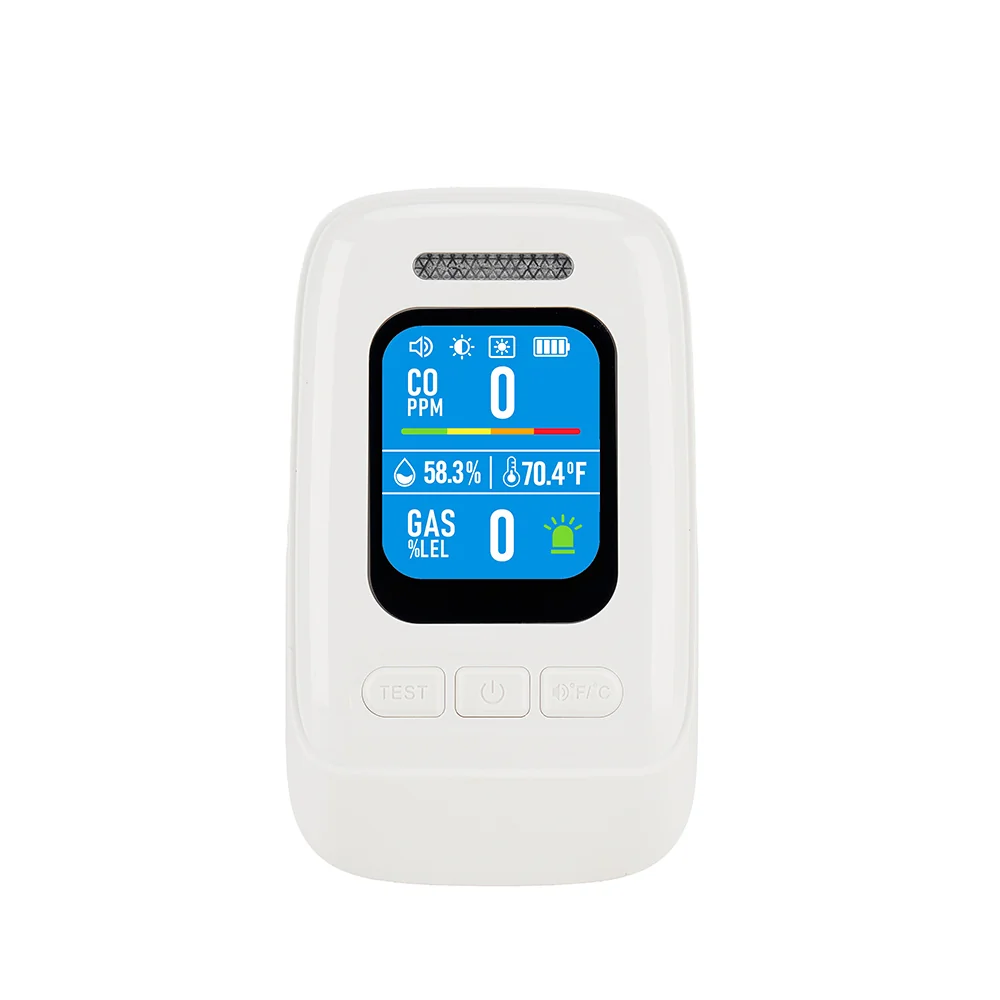
SORBO’s published assortment today centers on proven combustible and CO platforms—such as a plug-in combustible gas and CO detector and a rechargeable combustible gas and CO detector—with OEM/ODM room for branding, packaging, firmware, and function scope. Live product pages do not list certified Matter or Zigbee end-device SKUs. Treat Tuya / Zigbee / Matter as buyer evaluation criteria and OEM customization scopes you put in the RFQ, then pair them with real sensing platforms rather than inventing protocol claims the catalog does not document.
Planning a smart-home gas safety assortment?
Tell SORBO your target hubs (Tuya Wi-Fi, Zigbee, Matter bridge) and markets—we map them onto combustible and CO platforms.
Tuya Wi-Fi, Zigbee, and Matter—Buyer Differences That Affect SKUs
Protocol choice changes packaging claims, returns, hub dependencies, and support tickets. Use the distinctions below when you brief OEM factories or retail category managers.
Tuya / Smart Life–class Wi-Fi
- Strengths: Fast consumer onboarding, strong ecosystem of OEM modules, app push and scenes without a separate radio hub in many homes.
- Trade-offs: Depends on home Wi-Fi and cloud paths; multi-SKU branding needs careful white-label app or OEM account planning; gas alarms still need loud local sirens if the network drops.
- B2B fit: Online and smart-home kits where customers already live in Tuya/Smart Life apps.
Zigbee
- Strengths: Mesh reliability, low power for battery nodes, common in professional smart-home and multi-sensor kits; industry discussions of wireless interconnection (including Zigbee-class meshes vs simple RF) already appear in gas-alarm channel education such as SORBO’s battery vs hardwired gas detectors overview.
- Trade-offs: Needs a compatible hub/coordinator; SKU must match the hub brand story your retailers sell; pairing and channel support training matter more than Wi-Fi stickers.
- B2B fit: Hub-centric assortments (security/smart-home bundles) rather than standalone Amazon-only Wi-Fi gadgets.
Matter
- Strengths: Cross-ecosystem positioning (Apple/Google/Amazon/others via Matter controllers), stronger long-term retail narrative for “works with my smart home.”
- Trade-offs: Certification, firmware discipline, and bridge/controller assumptions raise OEM cost and lead time; not every gas-safety PCB is Matter-ready on day one.
- B2B fit: Premium private-label roadmaps where buyers accept longer validation for a Matter-compatible story—specified explicitly in the OEM contract, not assumed from a Wi-Fi module alone.
None of these protocols replace sensor selection, calibration, or placement rules. A smart methane alarm that is mounted wrong still fails commercially. Keep physical design grounded in guides such as natural gas vs LPG detector placement and sensor education like semiconductor vs catalytic gas sensors.
Smart Protocol Fit Scorer (Assortment Planning)
Use this planning-only scorer to see whether Tuya Wi-Fi, Zigbee, or Matter is the better first conversation for your channel—before you lock OEM connectivity language. It does not certify products or replace compliance testing.
Smart Protocol Fit Scorer
Score Tuya Wi-Fi vs Zigbee vs Matter for your gas-leak assortment. Planning only—not a certification or safety tool.
Channel & hub reality
Program constraints
Check the boxes that match your channel, then calculate.
Need OEM language for connectivity + sensing?
Share hub targets and markets—SORBO can separate what ships now from what belongs in a custom connectivity RFQ.
How to RFQ Connectivity Without Over-Claiming the Catalog
Smart-home gas programs fail when the brochure promises Matter and the PCB ships as a generic Wi-Fi module. Put connectivity in writing:
- Primary gas scope — natural gas/methane, LPG/propane, or dual combustible; note if CO is on the same PCB.
- Local alarm requirements — sound level expectations and behavior when the network is offline (non-negotiable for safety devices).
- Protocol target — Tuya/Wi-Fi app class, Zigbee profile/hub list, or Matter over a named transport—plus whether you need white-label app vs shared ecosystem.
- Evidence pack — module datasheets, pairing guides, and any logos you are legally allowed to print for the exact firmware build.
- Assortment split — connected hero SKU vs non-connected volume SKUs so classic hardware channels are not forced into hub returns.
- MOQ and validation path — sample pairing tests on your hub before mass production.
That structure mirrors broader OEM discipline covered in SORBO’s OEM natural gas detector sourcing guide: lock the brief before you compare FOB prices.
Assortment Blueprint: Smart Hub Story + Real SORBO Platforms
A practical importer shelf for 2026 often looks like this:
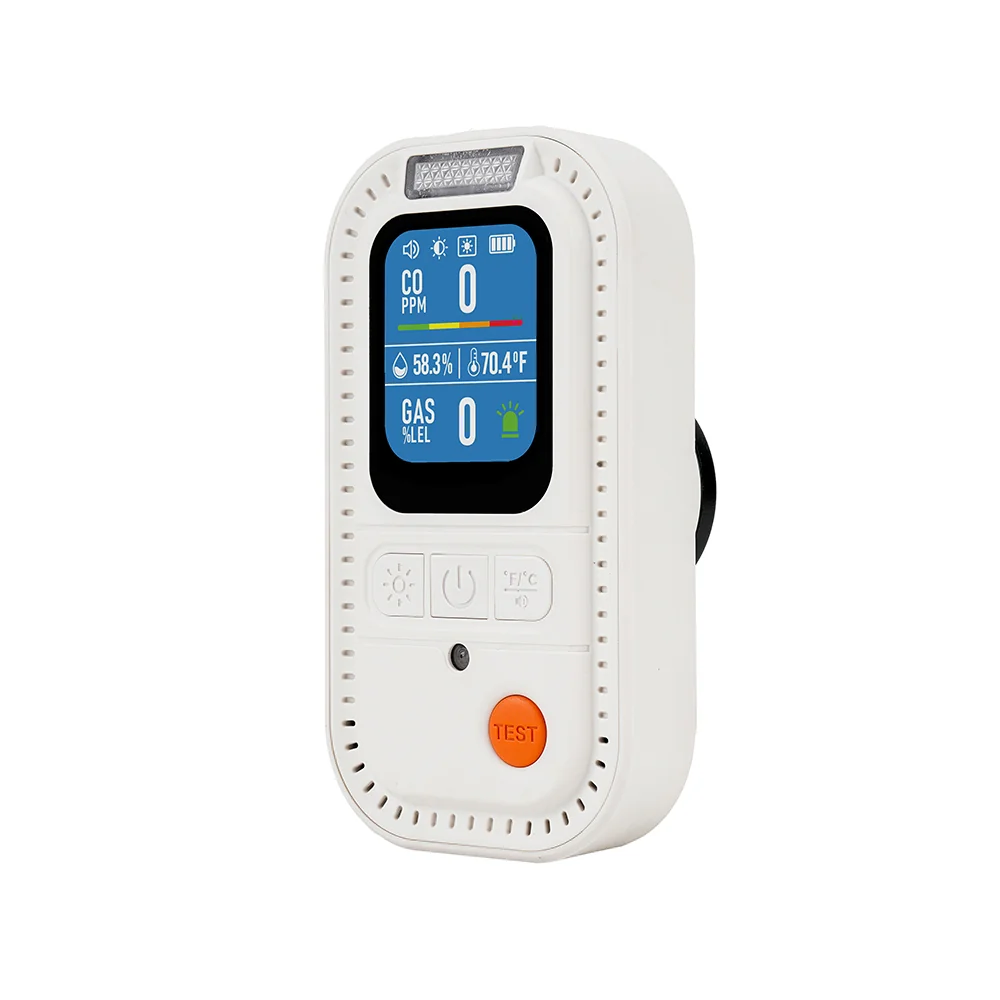
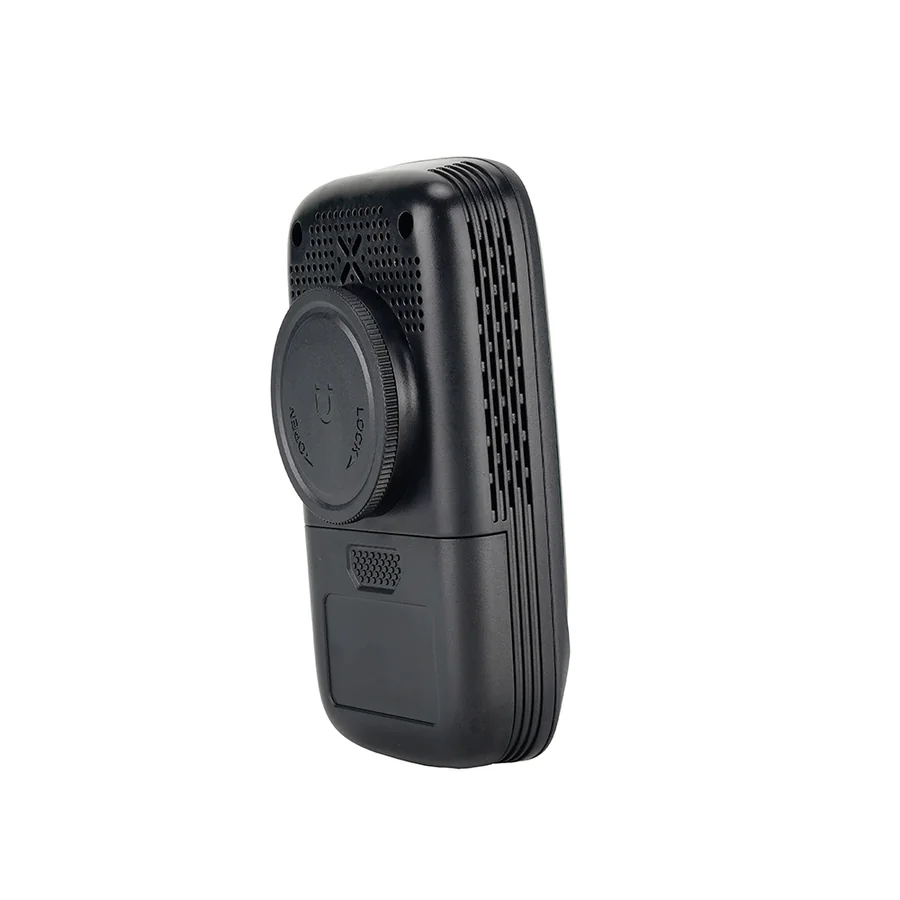
- Hero fixed monitor — plug-in combustible + CO for kitchens and indoor use (local alarm first; smart module only if RFQ funds it).
- Portable multi-gas — rechargeable combustible + CO for RV, travel, and secondary retail.
- CO completion SKUs — indoor or portable CO such as a portable carbon monoxide detector with flashlight, including long-life sealed options when the channel asks for 10-year maintenance stories (see why 10-year battery CO alarms win).
- Optional connected variant — same sensing family with Tuya/Zigbee/Matter scope explicitly quoted as OEM—not assumed from the base catalog.
This keeps your smart-home narrative honest: you sell gas safety hardware that can integrate with hub ecosystems when specified, while volume still rides on platforms visible today under SORBO’s indoor carbon monoxide detector and gas detector categories.
Building a dual smart + classic gas shelf?
Browse live detectors, then send hub targets and branding scope for an OEM shortlist.
Compliance, Packaging, and Support Reality
Protocol stickers attract clicks; compliance and support protect margins. Before you print “Works with…” claims:
- Align on-pack gas claims with the actual sensor set (combustible vs CO vs both).
- Keep standards conversations (for CO programs, see UL 2034 vs EN 50291) separate from app-store marketing copy.
- Train retailers on hub pairing and on what the device does offline.
- Budget firmware change control—smart modules update more often than sealed CO chemistries.
OEM/ODM partners such as SORBO already support branding, color, packaging, manuals, and function customization on gas-safety platforms. Connectivity modules belong in that same change-control conversation when your RFQ names them.
FAQ: Smart Home Gas Leak Detectors & Protocols
1. What is a smart home gas leak detector in B2B terms?
A combustible gas (and sometimes CO) alarm sold with a defined connectivity story—Wi-Fi/app, Zigbee hub, Matter controller, or local-only—plus packaging and support matched to that story.
2. Does SORBO list Matter or Zigbee certified gas detectors on the website today?
Published product pages focus on combustible and CO detection platforms with OEM/ODM customization. Treat Tuya/Zigbee/Matter as RFQ scopes to confirm with the factory rather than as stock SKU claims on every model.
3. Should every gas detector in my assortment be app-connected?
Usually no. Many channels still convert on plug-in or rechargeable local-alarm units. A dual shelf (connected hero + classic volume) reduces returns and support load.
4. Tuya Wi-Fi vs Zigbee—which is better for gas alarms?
Tuya-class Wi-Fi fits app-first retail without a separate hub. Zigbee fits hub/mesh kits and low-power nodes. Choose from channel reality, not from which logo is trending.
5. Is Matter required to sell into smart-home retailers?
Not universally. Matter helps multi-ecosystem positioning but adds certification and firmware cost. Many programs still ship Wi-Fi or Zigbee first while Matter stays on the roadmap.
6. Can OEM add a smart module to an existing combustible + CO platform?
Often yes as a customization path—if power budget, antenna, firmware, and certification are scoped. Ask for samples paired on your target hub before MOQ.
7. What must still work if the internet is down?
Local audible/visual alarm for gas or CO events. Smart notifications are an addition, not a replacement, for life-safety signaling.
8. How should I structure the first RFQ?
List markets, gas/CO scope, power form factor, protocol target + hub list, logo evidence rules, MOQ, and whether non-connected SKUs ship in the same program.
Conclusion
Integrating Tuya, Zigbee, and Matter into a smart home gas leak detector program is a commercial architecture problem: match protocol to hub channel, keep local alarms non-negotiable, and anchor the catalog on real combustible and CO platforms. Use the protocol fit scorer to pick a first conversation, then write connectivity into the OEM RFQ instead of assuming every gas SKU is Matter-ready. When you need a factory that already runs plug-in and rechargeable gas/CO hardware with OEM/ODM support, start from SORBO’s gas detector category and send your hub targets with the sensing brief.
Ready to brief SORBO on smart + classic gas SKUs?
Review the catalog, then share protocol targets, markets, and branding scope.
