
Introduction
In the home safety and gas leak detection industry, false alarms are far more than a minor annoyance. For consumers, repeated nuisance beeping causes alarm fatigue, often prompting users to unplug or disable the unit entirely, leaving the household vulnerable to catastrophic explosions or lethal toxic poisoning.
For brand owners, e-commerce sellers, and B2B importers, a high incidence of a gas detector false alarm generates devastating business repercussions:
-
Skyrocketing Return Merchandise Authorization (RMA) rates and warranty replacement costs.
-
Negative Amazon and retail reviews that destroy product conversion rates.
-
Strained relationships with installation contractors and retail buyers.
Understanding the root engineering, environmental, and behavioral causes behind nuisance alerts is essential for any brand procuring or designing gas safety equipment. By tackling sensor physics and installation errors, manufacturers and distributors can dramatically reduce return rates while elevating brand reputation.
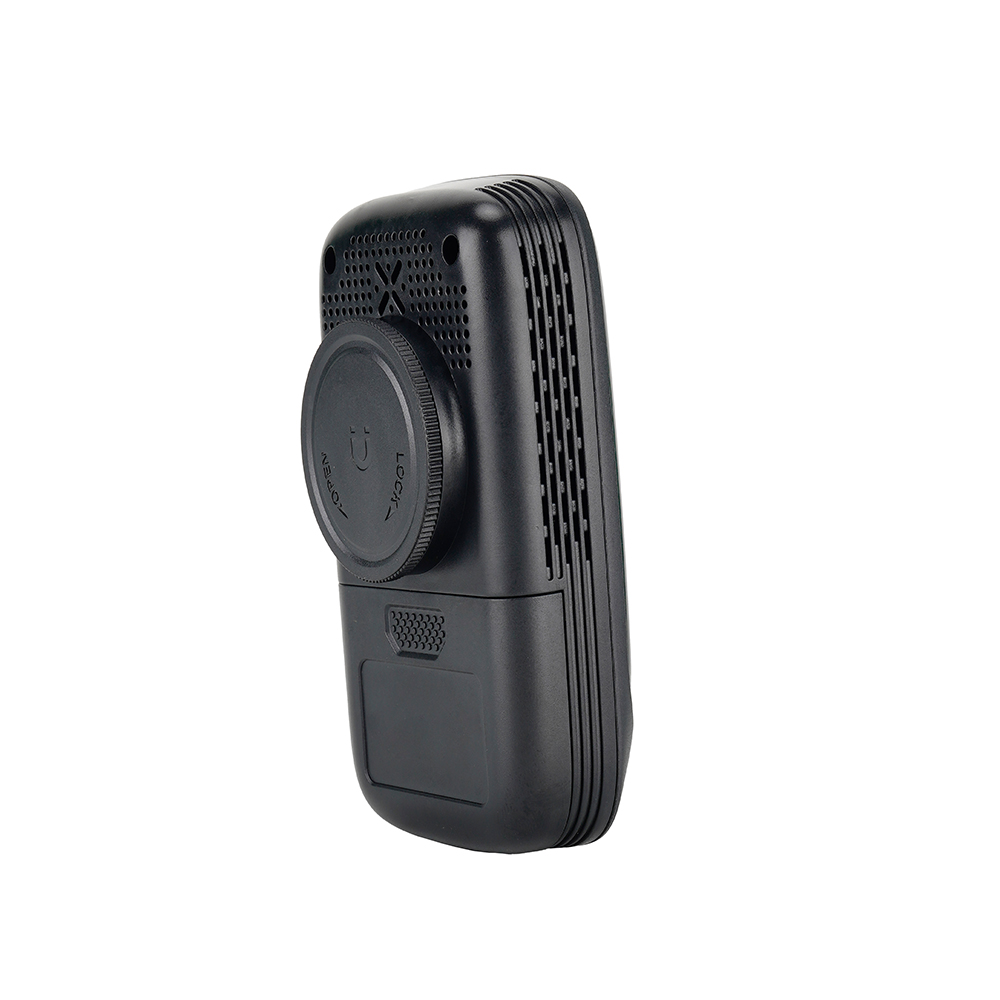
Top Causes of False Alarms in Combustible & CO Detectors
Gas alarms are sensitive electronic instruments calibrated to detect volatile airborne compounds. When a detector sounds without an actual methane, propane, or carbon monoxide leak, one of four core factors is usually responsible.
Cross-Sensitivity to Household Vapors (Cooking Alcohol, Vinegar, Aerosol Sprays, Perfumes)
The single most frequent trigger of false alarms in kitchen environments is cross-sensitivity.
Most residential combustible gas alarms employ Metal Oxide Semiconductor (MOS) sensors. These sensors detect flammable gases through surface oxidation reactions that change the electrical resistance of a heated tin dioxide sensing element. Unfortunately, this chemical reaction is not strictly selective to methane or propane alone.
Common household substances that trigger false readings include:
-
Cooking Ingredients: Evaporating cooking wine (ethanol), concentrated vinegar (acetic acid), and heavy spices during high-heat frying.
-
Cleaning Chemicals: Bleach, ammonia-based surface sprays, floor disinfectants, and window cleaners.
-
Personal Care Aerosols: Hair sprays, perfumes, deodorants, and nail polish remover (acetone).
-
Fermentation Gases: High concentrations of alcohol vapors released during bread baking or home brewing.
When high concentrations of these volatile organic compounds (VOCs) drift into the sensing chamber, the sensor experiences a sharp drop in electrical resistance, causing the microcontroller to interpret the vapor as a fuel gas leak.
Sensor Drift and Aging (End-of-Life Chip Anomalies)
Gas sensors are consumable chemical components with finite lifespans. As sensors age, they undergo baseline drift:
-
Catalytic Bead Degradation: Catalytic combustion sensors rely on platinum coils coated with an active catalyst. Exposure to ambient humidity and micro-contaminants over 3 to 5 years gradually alters baseline resistance on the internal measuring circuit.
-
Semiconductor Oxidation: Semiconductor sensing elements experience thermal fatigue from continuous heating cycles, causing baseline resistance to shift over time.
-
End-of-Life Confusion: When a detector reaches its operational end-of-life (typically 5 years for combustible gas units), the onboard controller triggers an end-of-life diagnostic beep. Users who have misplaced their manuals frequently mistake this maintenance signal for a gas leak alarm.
Incorrect Placement (Directly Above Stove Tops or Too Close to Shower Steam)
Installation error accounts for a large proportion of customer warranty claims. Positioning a gas detector improperly exposes the internal chamber to extreme micro-climates:
-
Directly Above Stoves: Mounting an alarm directly above burners exposes it to sudden bursts of cooking grease, unburned burner ignition gas, and thermal plumes that shock internal components.
-
High Humidity & Steam: Installing alarms within 3 meters (10 feet) of dishwashers, sinks, or bathrooms causes moisture droplets to condense on the sensor grid, causing erratic electrical leakage.
-
Dead Air Spaces: Tucking units behind curtains or deep inside kitchen cabinets traps stale vapors that cannot dissipate naturally.
Power Fluctuations and Voltage Spikes
Most residential combustible gas detectors are AC-powered plug-in or hardwired units because their internal heating coils draw continuous power.
In older homes or regions with unstable electrical grids, sudden voltage surges caused by high-draw appliances (refrigerators, air conditioning compressors, or microwaves cycling on) can cause voltage dips across the detector’s power supply circuit. If the unit lacks adequate voltage regulation filtering, the sudden voltage drop on the sensor circuit can register as an alarm state.
Summary: Common False Alarm Triggers vs. Gas Types
| Trigger Source | Affected Sensor Technology | Common Household Scenario | Prevention Strategy |
| Ethanol / Alcohol Fumes | Semiconductor (MOS) | Deglazing pans with cooking wine, heavy sanitizing | Anti-interference algorithms; 1.5m stove clearance |
| Cooking Steam / High Humidity | Photoelectric & MOS | Boiling pasta, running dishwashers | Condensation-resistant chamber; maintain distance |
| Aerosol Propellants | MOS & Catalytic | Spraying air fresheners near the unit | User education; install away from cosmetic areas |
| Electrical Surges | Internal Circuitry | Heavy appliance motor starts | Wide-voltage regulators; surge protection |
| Aging / Sensor Drift | All sensor types | Units exceeding 5 years in service | Built-in automatic baseline calibration |
How Dual-Sensor Alarms and Smart Filtering Prevent Nuisance Beeps
To combat customer dissatisfaction, modern safety equipment has moved beyond basic single-sensor threshold triggers.
Modern multi-criteria devices combine advanced firmware filtering with secondary environmental sensors. In advanced dual sensor alarms, the onboard microcontroller does not rely on a single voltage threshold. Instead, it processes multi-stage temporal sampling:
-
Rate-of-Rise Analysis: Genuine gas pipe ruptures release high volumes of methane or LPG rapidly, whereas evaporating cooking fumes generate a gradual concentration curve. Advanced firmware analyzes the slope of signal increase; if the rise matches a cooking vapor profile, the alarm trigger threshold is dynamically delayed.
-
Time-Weighted Persistence Check: Temporary exposure to hairspray dissipates within 60 to 90 seconds as room ventilation dilutes airborne vapors. Smart firmware requires the elevated gas signal to persist steadily for a verified duration before activating the high-decibel horn.
-
Cross-Sensing Validation: When gas and smoke detection run on the same platform, the system validates whether optical particulates accompany the gas signal, distinguishing kitchen smoke from pure pipeline gas leaks.
Engineering Solutions: What Top OEM Manufacturers Do to Eliminate False Alarms
For B2B brands commissioning gas alarms, false-alarm mitigation begins at the electronic design and housing level. Professional OEM and ODM manufacturers implement specialized engineering safeguards during the product design phase:
-
Proprietary Anti-Interference Sensor Selection: Quality manufacturers reject generic raw sensors in favor of pre-calibrated, filtered sensors equipped with internal activated charcoal filter rings that absorb heavy alcohol and organic molecules before they touch the sensing substrate.
-
Auto-Zero Baseline Tracking: Over months of operation, ambient humidity and natural dust slightly shift the clean-air baseline. Premier firmware features dynamic auto-zero tracking algorithms that slowly adjust the reference baseline voltage over 24-hour cycles, ensuring the alarm threshold remains fixed relative to true background conditions.
-
Chamber Airflow & Dust Baffles: Engineering specialized labyrinth baffles inside the intake vents prevents insects, grease aerosols, and dust from entering the sensor chamber directly, while maintaining unrestricted gas diffusion.
-
Factory Calibration in Closed Gas Tunnels: High-reliability manufacturers avoid open-air batch testing. Each unit is individually calibrated inside an automated, temperature-controlled gas tunnel at precise concentrations, logging the unique calibration profile directly into the memory of the alarm.
User & Installer Guidelines to Minimize Customer Complaints
Even the best-engineered alarm will fail if installed incorrectly. Importers and brands should include clear graphic guides within their packaging to educate end users and trade installers:
-
Maintain the Proper Distance: Install the alarm at a horizontal distance of between 1.5 meters and 4 meters (5 to 13 feet) from gas-burning appliances (cooktops, boilers, or water heaters). Installing closer than 1.5 meters invites cooking vapor nuisance alerts; installing further than 4 meters delays detection during a real leak.
-
Respect Gas Density Rules:
-
For Natural Gas (Methane): Mount the unit on the wall within 30 cm (12 inches) below the ceiling, as methane is lighter than air and rises.
-
For LPG (Propane / Butane): Mount the unit within 30 cm (12 inches) above the floor, as propane is heavier than air and sinks into low pockets.
-
-
Keep Away from Direct Drafts: Do not place units directly beside kitchen exhaust fans, windows, or exterior doors where fresh airflow can blow gas away from the sensor or introduce sudden humidity shocks.
-
Routine Cleaning Protocol: Instruct consumers to vacuum the exterior casing with a soft brush attachment once every 6 months to remove lint and cooking grease buildup. Never spray household cleaners, paints, or aerosols directly onto or near the detector housing.
Frequently Asked Questions (FAQ)
Q1: Can cooking with alcohol, vinegar, or harsh cleaning chemicals trigger a gas alarm?
Yes. Most home combustible gas detectors use semiconductor sensors that exhibit cross-sensitivity to airborne volatile organic compounds. Vapors from cooking wine (ethanol), vinegar (acetic acid), bleach, or aerosol polishes can react on the sensor surface, generating a signal that the detector temporarily mistakes for a natural gas or propane leak.
Q2: What is the immediate protocol if a combustible gas detector starts alarming?
Treat every alarm as a real gas leak until proven otherwise. Never flip light switches, operate electrical appliances, or unplug the detector, as electrical arcing can ignite leaked gas. Immediately extinguish open flames, open all doors and windows to ventilate the area, shut off the primary gas meter supply valve, and evacuate to an outdoor location before calling your emergency gas utility service.
Q3: Why does my gas detector chirp once every 30 to 60 seconds with no smell of gas?
A periodic single chirp every 30 to 60 seconds is typically not a gas leak alert, but a hardware status diagnostic. It indicates either an End-of-Life warning (the sensor has reached its 5-year operational limit), a low-voltage battery issue on backup-equipped models, or an internal sensor fault. Check the diagnostic status light and consult the manual.
Q4: How should a gas detector be cleaned to avoid sensor degradation?
Never use wet cloths, chemical detergents, soapy water, or aerosol cleaners to wipe a gas detector, as chemical solvents will contaminate the sensing element. Clean the unit by gently vacuuming the intake slots with a vacuum cleaner brush attachment to clear away dust, pet hair, and lint.
Conclusion & OEM Partnership Advice
Minimizing nuisance alarms is the cornerstone of building a trusted, highly rated brand in the residential safety sector. While false alarms stem from physical phenomena like cross-sensitivity, ambient vapor drift, and consumer misplacement, advanced sensor hardware, multi-criteria firmware algorithms, and clear user education provide an effective defense.
For safety distributors, wholesalers, and private-label brands, choosing an experienced manufacturing partner is the most effective safeguard against product returns and warranty disputes.
Zhejiang Sorbo Technology Co., Ltd. specializes in precision engineering for residential and commercial life-safety hardware. Our engineering team combines high-grade anti-interference sensing modules with proprietary auto-zero calibration algorithms to deliver maximum sensitivity to genuine fuel leaks while eliminating frustrating false alarms. Discover our complete line of pre-calibrated, international-standard high-precision residential gas detection systems today, or get in touch with our OEM team to customize firmware thresholds for your regional market.
Would you like to check out other related blogs?
#Where to Properly Install Combustible Gas Detectors: Natural Gas vs. LPG (Propane)
