
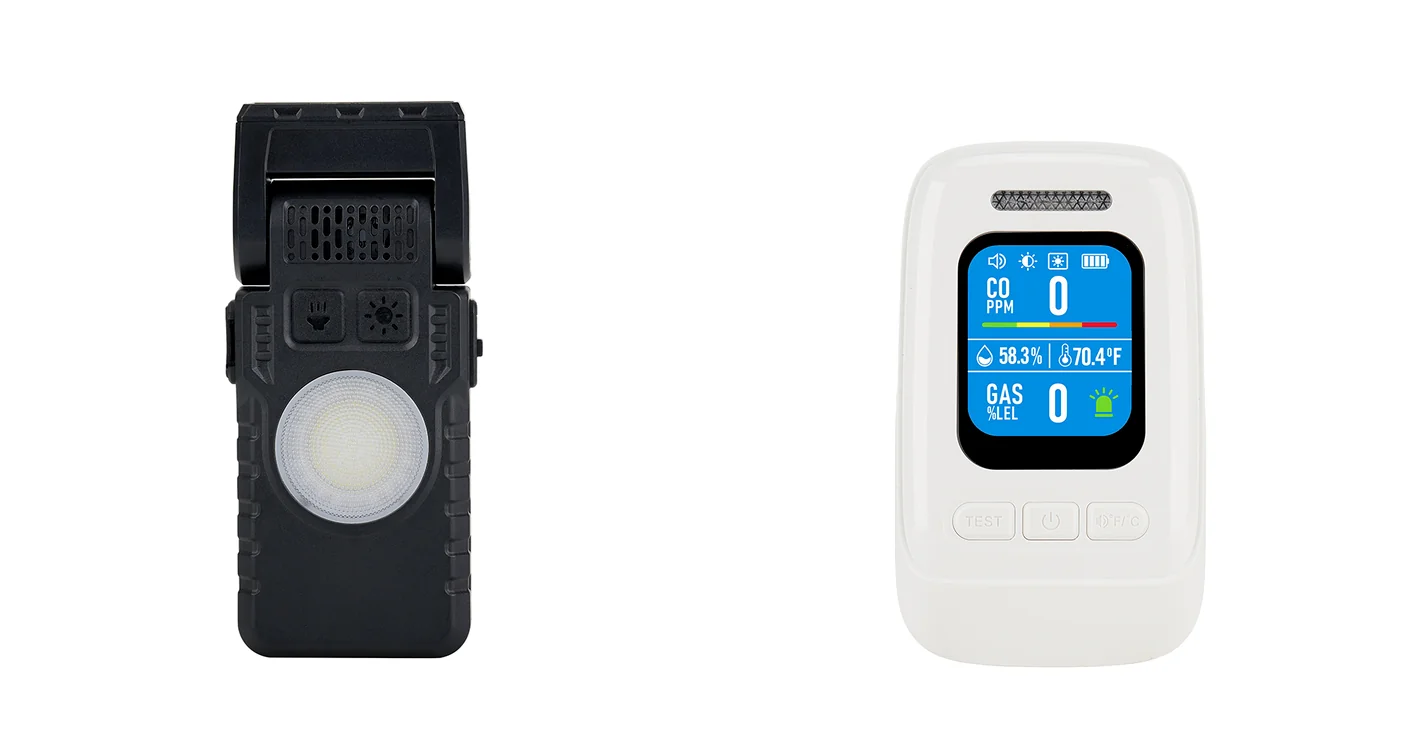
Wholesale buyers comparing portable and fixed gas alarms need more than a feature checklist. A strong portable gas detector wholesale program pairs handheld CO and dual-gas units for spot checks with plug-in fixed platforms for continuous kitchen and boiler-room coverage. This Industry News guide maps industrial versus domestic use cases, clarifies power and placement trade-offs, lists RFQ questions that separate true portables from wall-powered SKUs, and links live SORBO platforms under the gas detector category—without inventing certifications the plant has not published.
Portable vs Fixed: What Wholesale Buyers Actually Mean
In consumer retail, “portable” often means anything with a battery. In a portable gas detector wholesale RFQ, the distinction should be sharper:
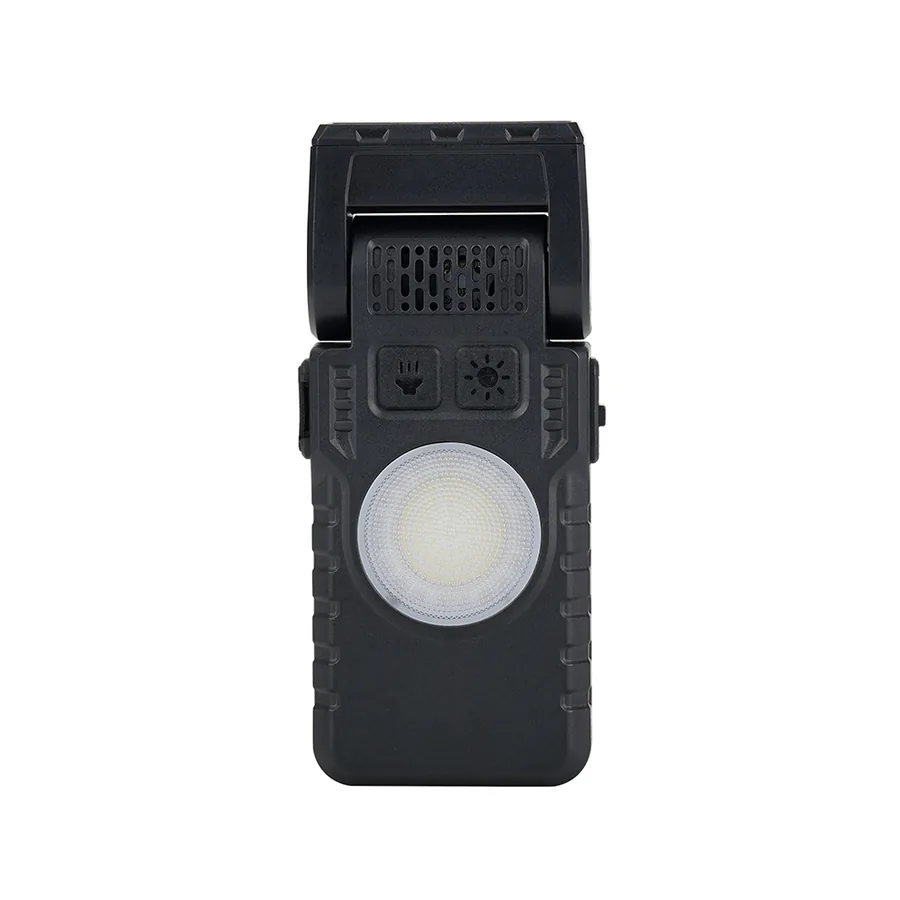
- Portable / handheld — Designed to move with the user: pocket or palm form factor, rechargeable lithium packs, optional flashlight, magnetic mount, and spot-check workflows in RVs, hotels, workshops, camping, or contractor kits. SORBO’s live examples include the portable carbon monoxide detector with flashlight (SB-9619) and rechargeable multi-function CO platforms such as the 4-in-1 carbon monoxide detector with light.
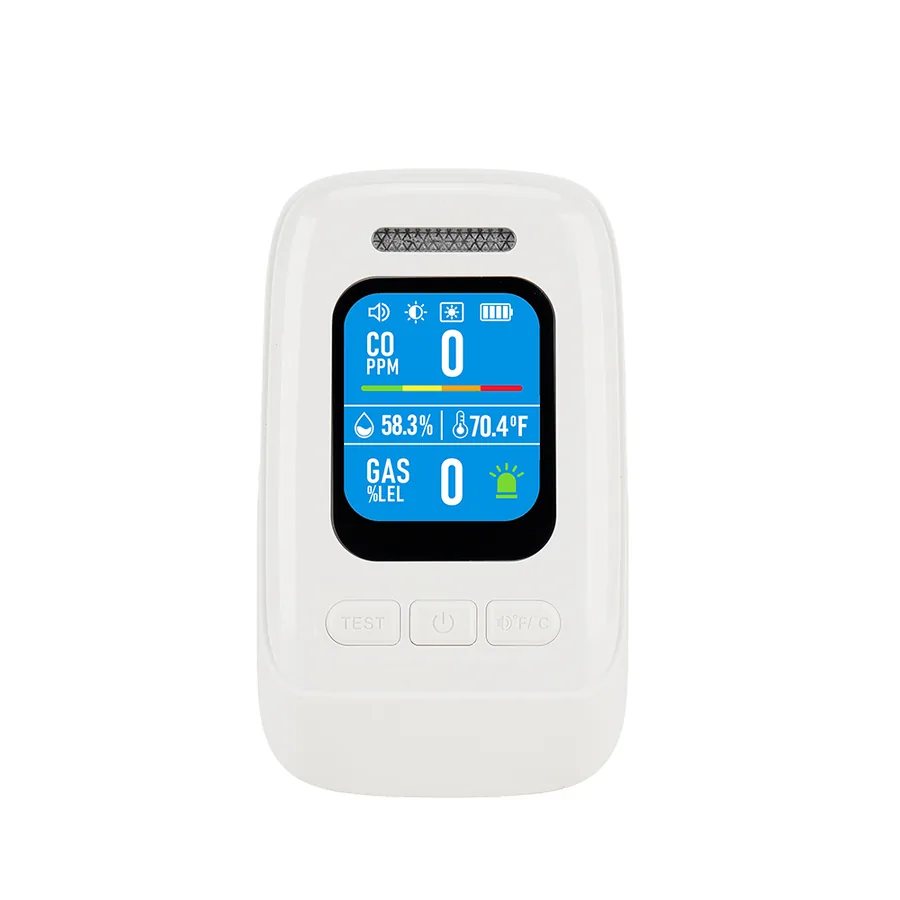
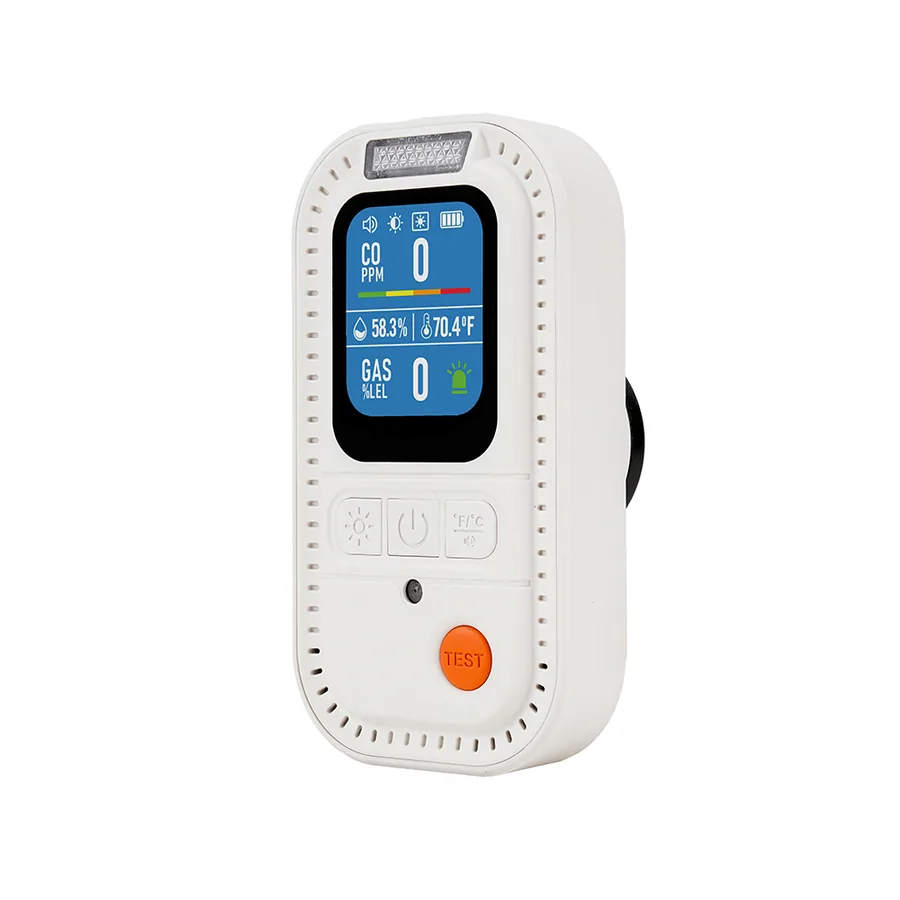
- Fixed / continuous plug-in — Intended to stay on a wall outlet for always-on monitoring of a room or appliance zone. SORBO’s plug-in combustible gas and CO detector (SB-9621) is positioned for continuous home and indoor safety monitoring, with backup batteries and interchangeable plug options for different markets.
- Bridge SKUs — Some units blur the line. The rechargeable combustible gas and CO detector (SB-9620) combines dual-gas sensing with Type-C and direct wall-plug charging, so buyers can merchandise it as a versatile portable for travel and light-commercial spot checks rather than a hardwired industrial panel.
Do not label a plug-in domestic alarm as an intrinsically safe industrial fixed system unless that design and certification pack exist for the SKU. SORBO’s published gas assortment focuses on home, travel, and commercial indoor use—not ATEX plant panels.
Domestic Buyers: Continuous Rooms Still Prefer Fixed Plug-In
For apartments, kitchens, laundry rooms, and boiler or furnace areas, domestic channels usually lead with fixed plug-in coverage. Residents want a unit that stays awake on mains power, warns with sound and display, and does not depend on the user remembering to charge a handheld every week. Dual combustible + CO plug-in SKUs help retailers answer both natural-gas/LPG leak concerns and CO from incomplete combustion in one SKU—useful when shelf space is limited.
Wholesale tips for domestic assortments:
- Match plug types and language packs to each destination market (SB-9621 messaging highlights interchangeable plugs).
- Keep manuals clear on placement—methane rises, LPG sinks—so returns from “wrong height” installs drop (see also natural gas vs LPG placement).
- Decide whether backup battery is AAA or sealed; document expected backup life in the RFQ, not only in marketing copy.
- Pair fixed plug-ins with a small portable CO SKU as an upsell for travel, guest rooms, or garage spot checks rather than forcing one form factor to do every job.
Industrial and Light-Commercial: Portables Win Spot Checks
“Industrial” for many importers in this category means workshops, garages, light manufacturing floors, facility maintenance, hospitality engineering closets, and contractor service vans—not necessarily Zone-rated fixed LEL systems. In those environments, a portable gas detector wholesale line is often the primary SKU:
- Spot checks before entry or after maintenance — Handheld CO or dual-gas units travel to the problem, then return to a charger.
- Fleet and van kits — Rechargeable packs, flashlight modes, and rugged pocket sizes matter as much as ppm ranges.
- Temporary occupancy — Hotels, caravans, RVs, and camping use cases appear in SORBO’s own category FAQ for portable detectors.
- Complement, don’t replace, room monitors — A workshop may still need a fixed plug-in near a gas heater while technicians carry portables for diagnostics.
When RFQs say “industrial fixed,” ask whether the buyer truly needs hardwired, relay-output, or explosion-proof panels. If the answer is domestic-style continuous monitoring in a commercial room, a plug-in dual-gas platform may be the honest fit. If the answer is Zone-rated plant safety, that is a different product class—do not stretch consumer gas alarms into that claim set.
Side-by-Side Decision Matrix for Assortment Planners
| Factor | Portable / handheld | Fixed / plug-in |
|---|---|---|
| Primary job | Spot check, travel, contractor kit | Always-on room or appliance zone |
| Power story | Rechargeable lithium; Type-C / wall charge | Mains plug + backup cells |
| Best channels | Amazon/DIY kits, RV, hospitality, MRO | Home retail, property managers, kitchen safety |
| Gas mix examples | CO-only portable; rechargeable combustible+CO | Plug-in combustible+CO dual |
| Wholesale risk | Charge habits, runtime claims, flashlight QC | Plug type, label language, placement education |
Interactive Tool: Portable vs Fixed Assortment Mix Planner
Estimate a planning mix for your next portable gas detector wholesale order versus fixed plug-in volume. This is a channel planning aid—not a safety design, fire-code, or certification tool.
Portable vs Fixed Assortment Mix Planner
Planning-only mix suggestion for wholesale gas/CO assortments.
Select channel and end-use, then plan your portable vs fixed mix.
Disclaimer: Approximate planning model only. It does not design a life-safety system, replace local codes, or bind SORBO to MOQ or pricing. Validate mixes against your market regulations and retailer planograms.
RFQ Checklist for Portable Gas Detector Wholesale Programs
Whether you buy blank-label or full OEM and ODM, put these items in writing before sample sign-off:
- Form factor class per SKU: handheld portable, plug-in fixed, or bridge (rechargeable with wall-plug charge).
- Gas channels claimed: CO-only vs combustible + CO; never assume CO₂ is included unless the model lists it.
- Power: battery capacity, charge input, claimed runtime after full charge, backup cell type for plug-ins.
- Alarm thresholds, display language, and adjustable ranges—especially if private-label firmware differs by market.
- Sensor life and EOL behavior (see gas detector sensor lifespan) so warranty text matches chemistry.
- Factory testing evidence for each chemistry on dual-gas SKUs (see gas detector factory testing).
- Compliance pack for the destination market; verify marks per SKU via SORBO’s certificates discussion and product-specific docs—do not copy every logo onto every carton.
Build your portable vs fixed wholesale mix with SORBO
Share your channel plan, target markets, and preferred portable-to-fixed ratio. SORBO can map OEM branding, packaging, and alarm settings onto live CO and combustible gas platforms for importers and private-label brands.
Related Resources
- SORBO gas detector product category
- Indoor carbon monoxide detector category
- Battery vs hardwired gas alarm comparison
- Natural gas detector placement for methane vs LPG
- Understanding gas detector sensor lifespan
- OEM natural gas detector sourcing guide
Frequently Asked Questions
What does portable gas detector wholesale usually include?
For most importers it means handheld or rechargeable CO and dual-gas units sold in carton quantities for retail, contractor, RV, or hospitality channels—often planned alongside fixed plug-in SKUs rather than as a single form factor.
Is a rechargeable dual-gas unit “portable” or “fixed”?
Merchandise it as portable/spot-check when users carry it between rooms or vehicles. Even with wall-plug charging, it is not the same as a permanently installed industrial fixed panel.
When should domestic buyers prefer fixed plug-in detectors?
When the job is continuous monitoring of a kitchen, boiler room, or living space. Plug-in platforms stay on mains power and reduce dependence on daily charging habits.
Can portable detectors replace fixed alarms in a home?
Not as a planning default. Portables excel at travel and spot checks; fixed plug-ins cover always-on room risk. Many wholesale assortments intentionally sell both.
What SORBO platforms fit a mixed assortment?
Live examples include portable CO with flashlight (SB-9619), plug-in combustible+CO (SB-9621), and rechargeable combustible+CO (SB-9620), plus other CO portables in the gas detector category.
Do industrial buyers need explosion-proof fixed systems from this catalog?
SORBO’s published gas detectors target home, travel, and commercial indoor use. If your RFQ requires Zone-rated or intrinsically safe fixed systems, treat that as a different product class and do not stretch consumer SKUs into that claim.
What should OEMs customize first on portable vs fixed SKUs?
Logo, color, packaging, manuals, and alarm thresholds are common OEM/ODM scopes. Portables also need clear runtime and charge claims; plug-ins need market-correct plugs and label languages.
Is the Assortment Mix Planner a safety design tool?
No. It only suggests a planning percentage split for wholesale POs. Life-safety layouts, codes, and certifications require qualified local guidance and product-specific documentation.
Choosing between portable and fixed is rarely either-or for a serious importer. A durable portable gas detector wholesale assortment covers handheld CO and rechargeable dual-gas units for RVs, hotels, workshops, and contractor kits, while plug-in fixed platforms own continuous domestic and light-commercial rooms. Score your channel mix with the Assortment Mix Planner, lock packaging and manuals into the RFQ, then map OEM branding onto SORBO’s live gas detector platforms when you are ready to scale private-label volume with clear QC gates.
