
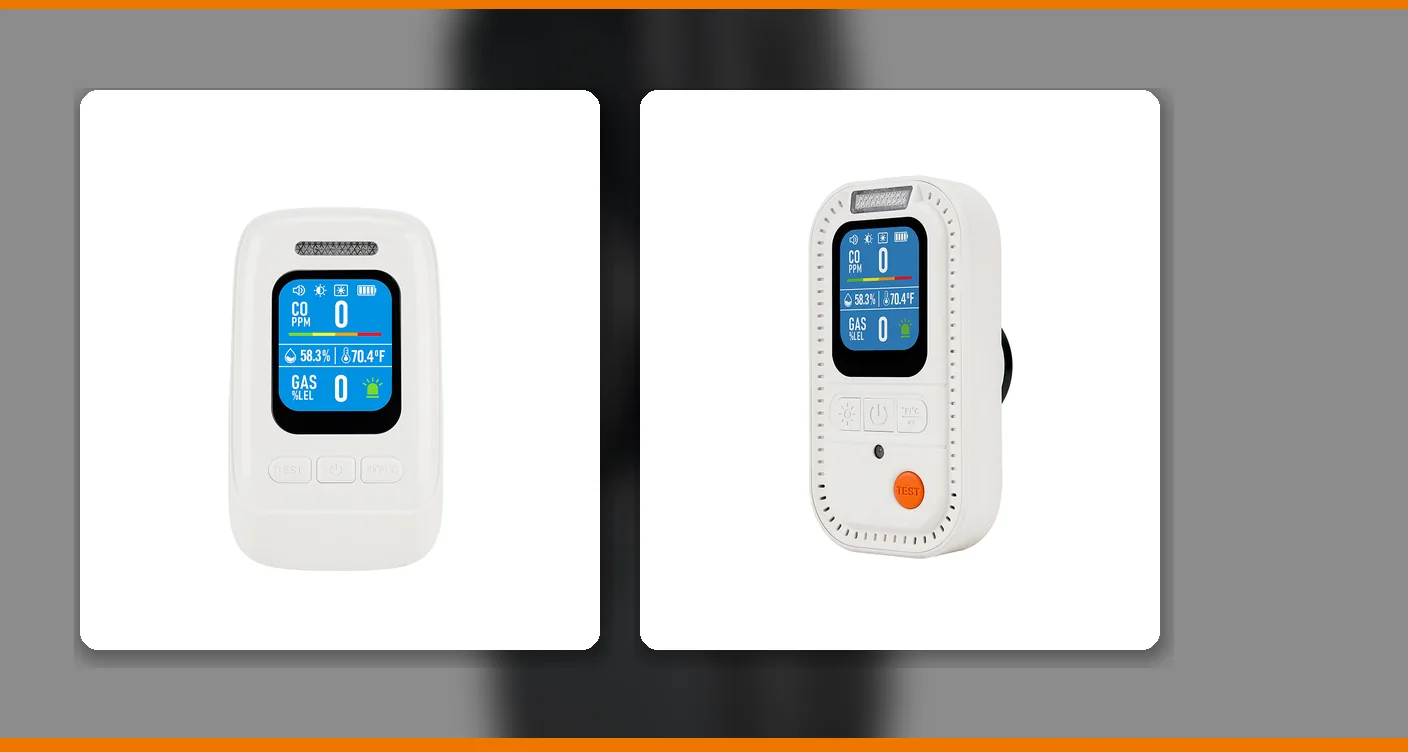
Buyers who source gas and carbon monoxide alarms from China often ask one practical question first: how does the factory prove units work before they leave the line? Solid gas detector factory testing covers more than a power-on beep. It spans incoming sensor checks, calibration or bump-gas response, alarm-threshold verification, electrical safety, and lot traceability. This guide maps those factory gates for importers and private-label brands, shows what to write into an RFQ for OEM gas alarm sourcing, and links honest SORBO platforms under the live gas detector category—without inventing lab marks the plant has not published.
Why Factory Testing Matters More Than a Spec Sheet
A datasheet can list ppm ranges and decibel levels. A shipment fails when sensor lots drift, firmware thresholds mismatch the label, or packaging omits language required by the destination market. For B2B programs, gas detector factory testing is the chain of evidence that each lot behaved like the approved sample. SORBO’s published quality control flow runs from incoming material inspection through in-process checks, functional testing, safety and reliability testing, final inspection, outgoing QC, and traceability. For gas detectors specifically, the plant highlights sensor-response and alarm verification—exactly the gates buyers should audit on a pilot or first mass run.
The Eight Gates of Gas Alarm Factory QC
Use this sequence when you walk a line or write a control plan. It mirrors how serious OEM plants structure work—not a substitute for your notified-body or retailer audit checklist.
- Incoming material inspection (IQC) — Verify sensor lot codes, PCB revision, battery or power modules, and housings against the approved BOM. Reject mixed lots without paperwork.
- Supplier & component verification — Confirm sensor chemistry (electrochemical CO, MOS, catalytic) matches the SKU claim and that storage FIFO rules were followed before kitting.
- In-process quality control (IPQC) — Catch solder, connector, and assembly defects before firmware lock. SORBO publicly stresses 100% in-process QC messaging across production stages.
- Functional testing — Power-up, display/LED paths, button/self-test, and communication if the SKU is smart-enabled.
- Sensor response & calibration / bump check — Expose the sensing path to a known test gas or approved surrogate per the control plan; record pass bands for combustible and/or CO channels.
- Safety & reliability sampling — Electrical safety, drop/vibration samples, aging or burn-in where the design requires heated sensors or sealed lithium packs.
- Final product inspection — Appearance, labeling (gas type, voltage, warnings), language packs, and accessory completeness—aligned with SORBO’s 100% final inspection & verification messaging.
- Outgoing QC + traceability — Retain lot/SN linkage so field returns can be traced to a sensor batch and test record.
Calibration Gas, Bump Tests, and What “Calibrated” Should Mean
Importers often confuse three different activities under one word:
- Factory calibration / span adjustment — Adjusting firmware or trim so the reading matches a certified gas blend within a documented tolerance. Not every consumer SKU is field-recalibrated; many are sealed designs with factory setpoints.
- Bump / challenge test — A short exposure that proves the alarm path trips (sounder, LED, relay, or app event) without necessarily rewriting calibration coefficients.
- End-of-line functional check — Confirms electronics and self-test; alone, it is not proof of gas sensitivity.
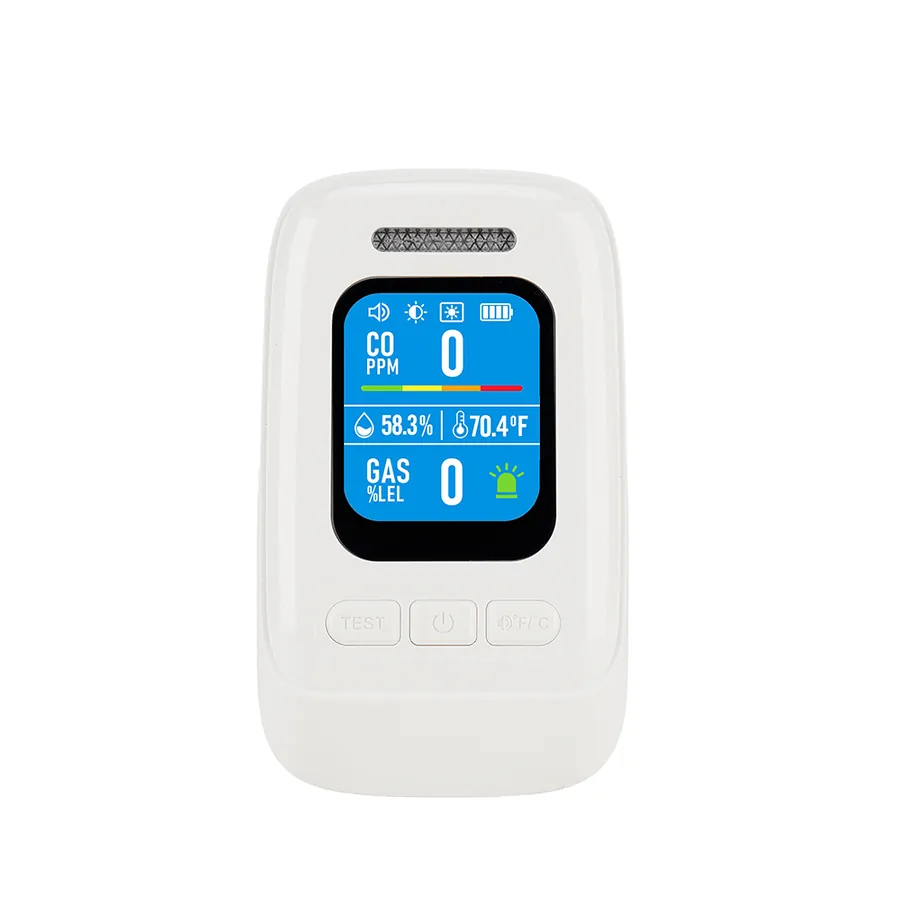
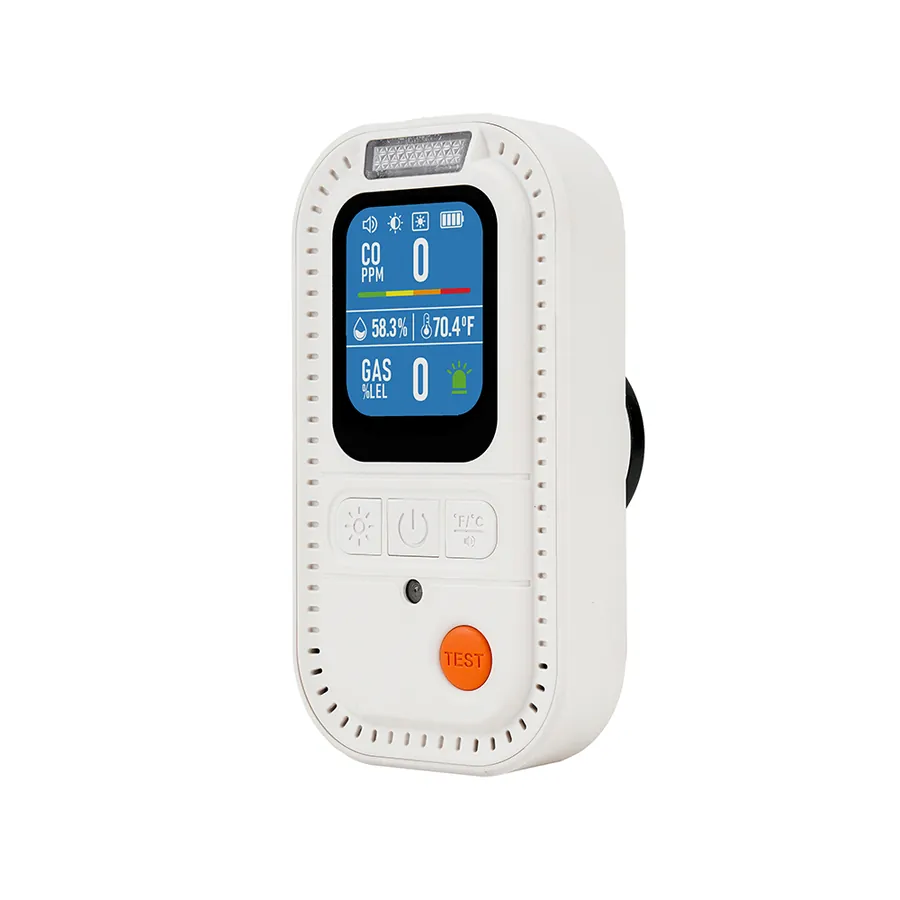
For RFQs, require the factory to name which of the three applies per SKU, which gas species and concentrations are used, how often cylinders are verified, and how fails are dispositioned. Dual combustible + CO units—such as SORBO’s plug-in combustible gas and CO detector and rechargeable combustible gas and CO detector—need separate evidence for the heated combustible path and the electrochemical CO path. Do not accept a single “beep OK” stamp as coverage for both chemistries.
Interactive Tool: Factory QC Audit Scorer
Score your current or candidate plant’s readiness for gas detector factory testing. This is a B2B planning checklist—not an ISO audit, UL evaluation, or legal certification.
Factory QC Audit Scorer
Planning-only readiness score for gas alarm calibration and QC gates.
Select product mix and check the gates you can evidence, then score.
Disclaimer: Approximate planning model only. It does not certify compliance, replace a third-party audit, or bind SORBO to a specific AQL. Use it to structure RFQ questions and factory visits.
What to Put in an OEM RFQ for Factory Testing
SORBO’s OEM and ODM process explicitly includes prototype testing & validation before mass production, then standardized QC and final inspection in volume. Ask suppliers to answer these points in writing:
- Sensor chemistry and supplier for each channel; rated life and storage rules (see also gas detector sensor lifespan).
- Whether EOL uses 100% functional test, AQL sampling, or both—and quarantine rules for fails.
- Calibration gas species, concentrations, cylinder certificates, and bump vs span distinction.
- Alarm thresholds printed on the carton vs firmware setpoints (especially for methane vs LPG positioning—see natural gas vs LPG placement).
- Traceability fields retained (PCB lot, sensor lot, SN, test station ID, operator).
- Target-market compliance pack: management-system certificates plus product marks that apply to the category. SORBO publishes ISO 9001:2015, ISO 14001:2015, and ISO 45001:2018, and states CE, RoHS, FCC, FDA, EPA, and REACH applicability depending on product and market—verify the pack for your SKU rather than copying every logo onto gas cartons.
Plant Capacity Context (Without Over-Claiming Labs)
SORBO’s R&D and manufacturing profile states a 27,000㎡ facility, roughly 420 employees, 3 PCB lines, 18 assembly and testing lines, and daily capacity above 30,000 units, with a 40-person in-house R&D team covering sensor integration and validation that includes gas detection accuracy checks. That scale supports multi-SKU B2B programs, but capacity is not a substitute for a witnessed control plan. When you visit, ask to see a live gas-challenge station, fail quarantine cages, and a recent lot traveler—not only the showroom wall of certificates.
Plan your next gas detector factory audit with SORBO
Share your target SKU mix, markets, and QC expectations. SORBO can map OEM/ODM customization—branding, firmware, and alarm thresholds—onto combustible and CO platforms with structured production QC.
Related Resources
- SORBO quality control process
- SORBO certificates (ISO / market compliance)
- Understanding gas detector sensor lifespan
- Catalytic vs semiconductor gas sensors
- How electrochemical CO sensors work
- UL 2034 vs EN 50291 CO alarm standards
Frequently Asked Questions
What is gas detector factory testing?
It is the set of incoming, in-process, functional, sensor-response, safety, final, and outgoing checks a plant uses to prove each lot of gas or CO alarms meets the approved sample and label claims before shipment.
Is a power-on self-test enough at end of line?
No. A self-test confirms electronics and often the sounder path. It does not by itself prove gas sensitivity. Ask for bump or calibration evidence appropriate to the SKU chemistry.
How should dual combustible + CO detectors be tested?
Treat the heated combustible channel and the electrochemical CO channel as separate proofs. One “beep OK” stamp should not cover both chemistries or both label claims.
What factory certificates should B2B buyers request?
Start with the plant’s management-system certificates (SORBO publishes ISO 9001:2015, ISO 14001:2015, ISO 45001:2018) and the product compliance pack that applies to your destination market. Do not assume every logo on a marketing page applies to every gas SKU.
What does SORBO say publicly about gas detector QC?
SORBO’s quality-control page lists a full IQC-to-traceability process and calls out sensor response and alarm verification for gas detectors, with messaging around 100% in-process QC and 100% final inspection.
How does OEM customization affect testing?
Firmware changes, alarm-threshold edits, and new label languages all need re-validation. Fold those deltas into the pilot test plan before mass production approval.
What should I witness on a factory visit?
A live gas-challenge or bump station, fail quarantine, lot travelers with sensor codes, and a final packaging check against your market artwork—not only a showroom demo.
Can this article’s scorer replace a third-party audit?
No. The Factory QC Audit Scorer is a planning aid for RFQs and visit prep. Retailer, notified-body, or customer audits follow their own checklists and sampling rules.
Strong gas detector factory testing turns a pretty sample into a repeatable shipment: IQC on sensor lots, documented bump or calibration evidence, threshold checks that match the carton, functional EOL with quarantine, and traceability that survives a field return. Use the Factory QC Audit Scorer to pressure-test your current plan, then lock the same gates into the PO. When you are ready to map combustible and CO platforms onto an OEM/ODM program with structured production QC, start from SORBO’s live gas detector assortment and contact the team with your market pack and volume assumptions.
