
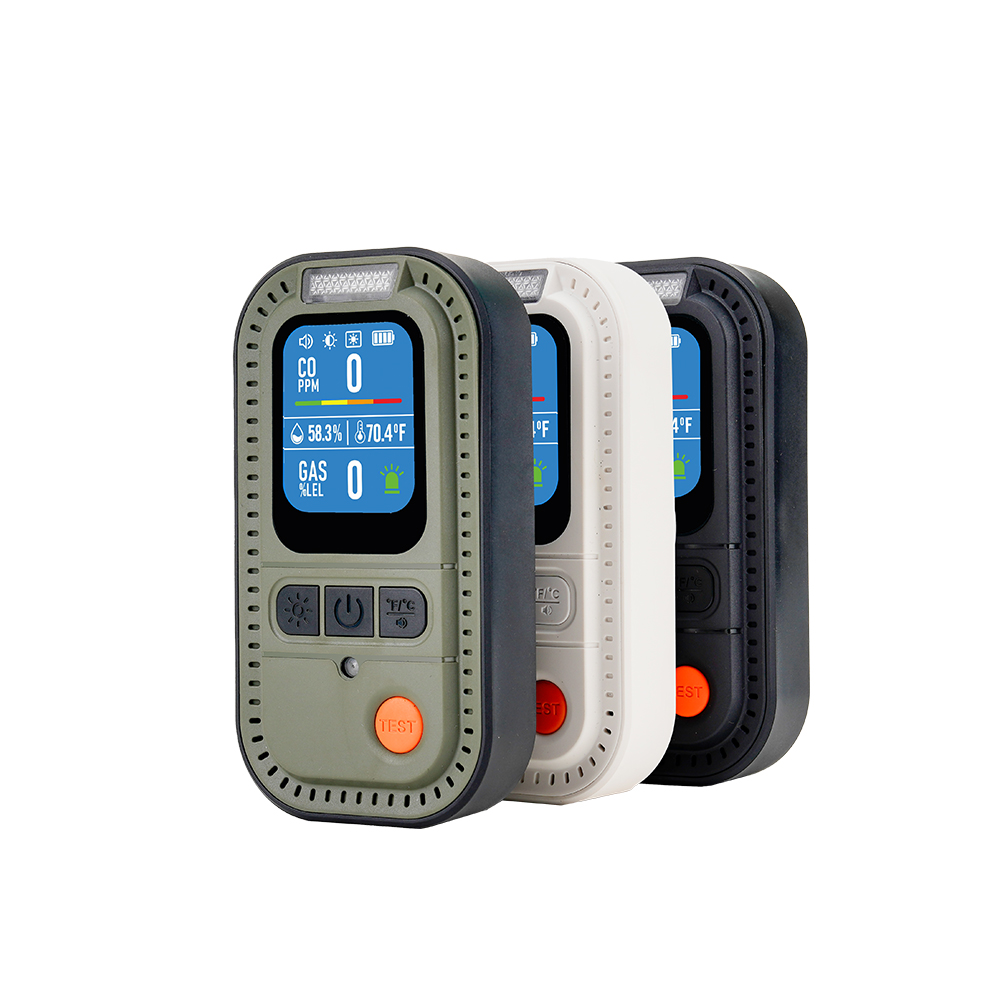
Introduction Mounting a gas detector in the wrong place can trigger customer returns. It can also cause catastrophic safety liabilities.
Introduction Mounting a gas detector in the wrong place can trigger customer returns. It can also cause catastrophic safety liabilities.
View More
Introduction Mounting a gas detector in the wrong place can trigger customer returns. It can also cause catastrophic safety liabilities.
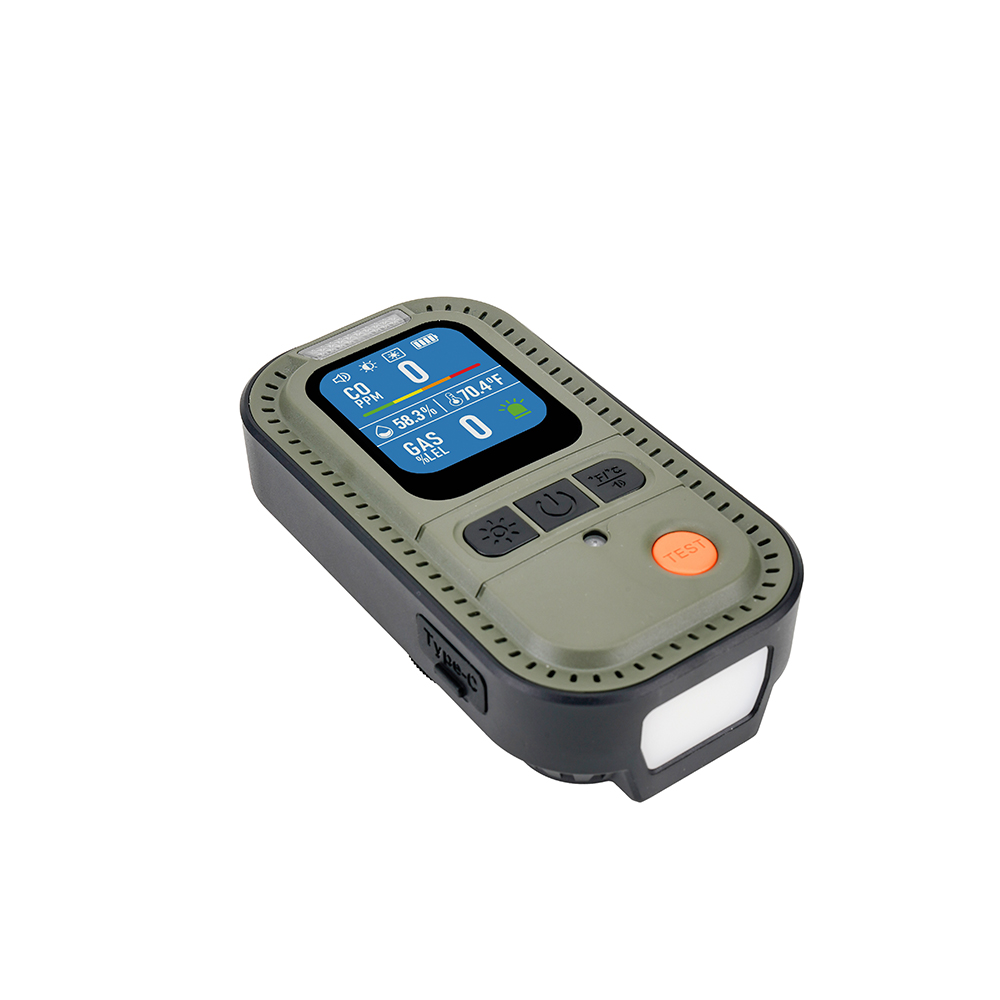
Introduction: Why Compliance is the Ultimate Barrier in Gas Alarm Exporting Importing carbon monoxide detectors without certified test reports can stall your shipments at customs. It can also trigger costly product recalls.
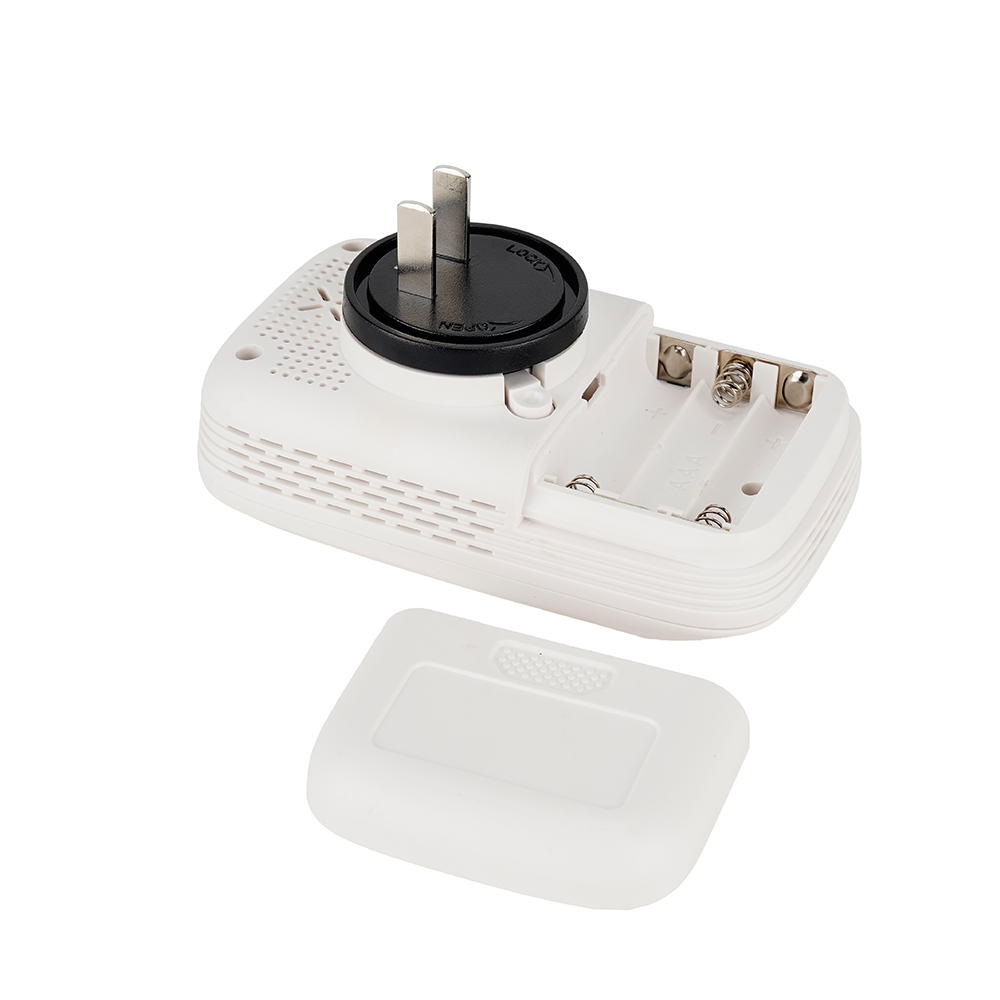
Introduction: Navigating Sensor Technologies for Combustible Gas Alarms For safety brands and importers, choosing the wrong gas sensor can quickly ruin product margins through high false alarms or failed certifications. When sourcing combustible gas alarms, selecting a catalytic vs semiconductor sensor dictates your retail price point, power design, and compliance.
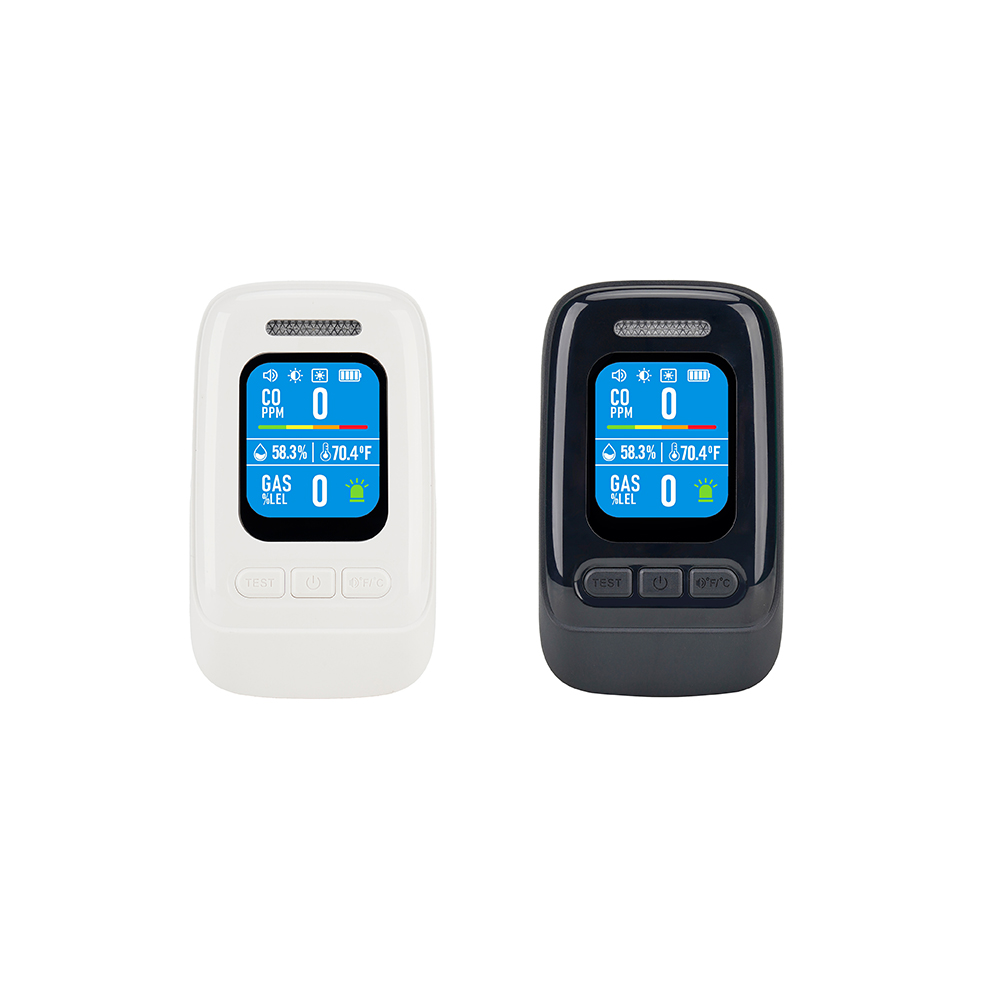
Introduction Carbon monoxide (CO) represents one of the most insidious residential and commercial safety hazards because it is completely invisible, tasteless, and odorless. For international safety equipment importers, hardware distributors, and brand owners, selecting the proper sensing technology directly dictates whether a life-safety alarm saves lives or creates catastrophic product liabilities.
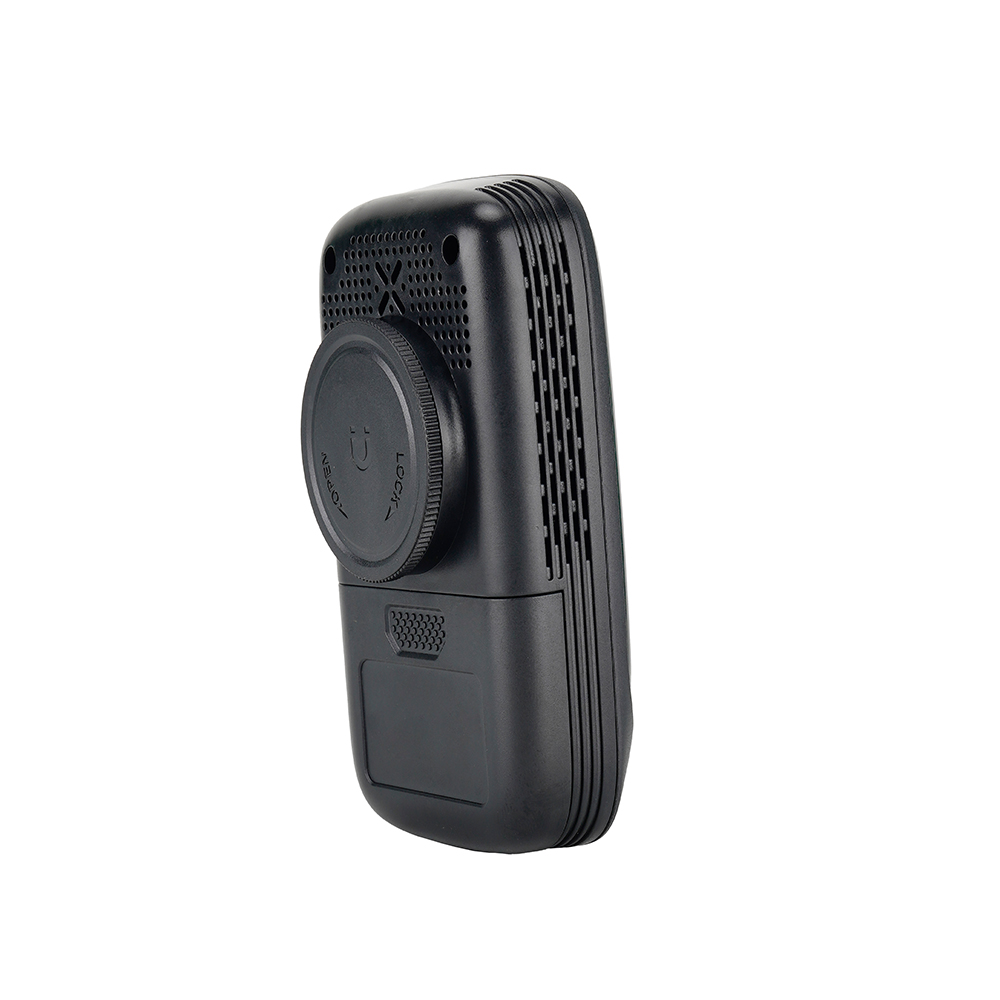
Introduction In the home safety and gas leak detection industry, false alarms are far more than a minor annoyance. For consumers, repeated nuisance beeping causes alarm fatigue, often prompting users to unplug or disable the unit entirely, leaving the household vulnerable to catastrophic explosions or lethal toxic poisoning.
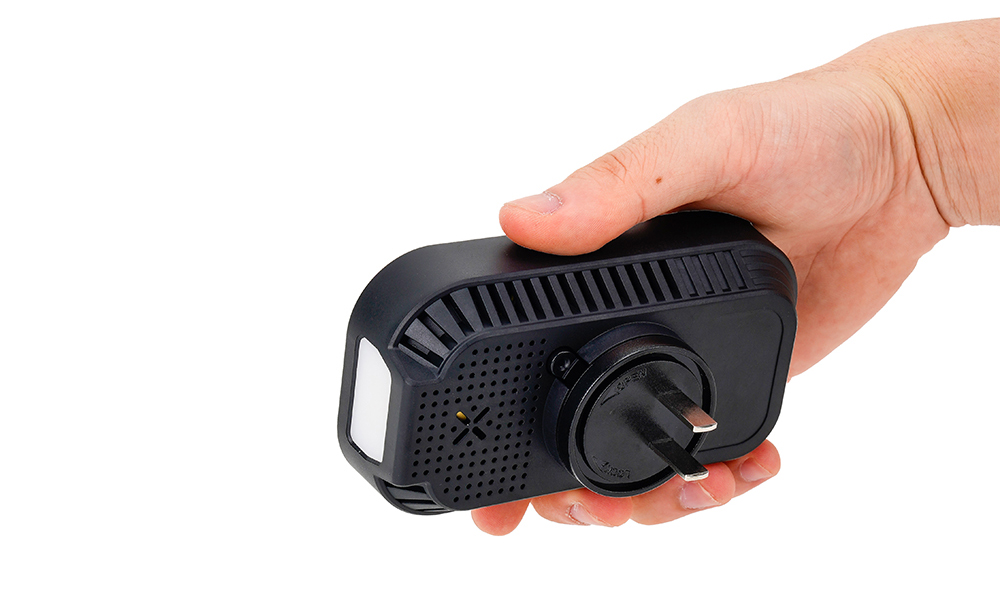
Introduction Residential and commercial fire safety requires rapid detection of airborne hazards. However, property managers, international distributors, and end consumers frequently conflate two distinct life-safety devices: smoke alarms and carbon monoxide detectors.
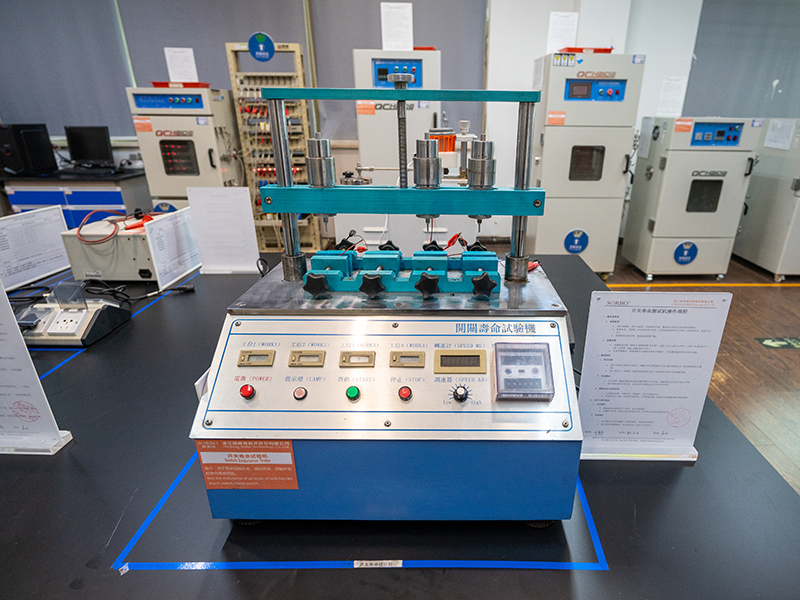
With growing concerns about mosquito-borne diseases, environmental protection, and household safety, the global mosquito killer lamp industry is experiencing steady growth. More consumers and businesses are turning to electric mosquito control solutions as an effective alternative to traditional chemical repellents.
Award-Winning Original Design, Custom Service, Send Us Inquiry Now
Get in Touch
