
Introduction
Carbon monoxide (CO) represents one of the most insidious residential and commercial safety hazards because it is completely invisible, tasteless, and odorless. For international safety equipment importers, hardware distributors, and brand owners, selecting the proper sensing technology directly dictates whether a life-safety alarm saves lives or creates catastrophic product liabilities.
Over the past two decades, regulatory bodies and international testing authorities—most notably UL in the United States and EN standards committees in Europe—have established stringent guidelines for toxic gas alarms. Older detection methods, such as heated metal oxide semiconductors (MOS) or chemical color-changing gels, suffered from high power consumption, severe cross-sensitivity, and slow recovery times.
Today, the electrochemical CO sensor is globally recognized as the gold standard for dedicated carbon monoxide detection. For B2B importers, understanding how these micro-chemical devices function, why they degrade, and how to verify vendor calibration protocols is essential to safeguarding brand reputation and preventing costly customer returns.
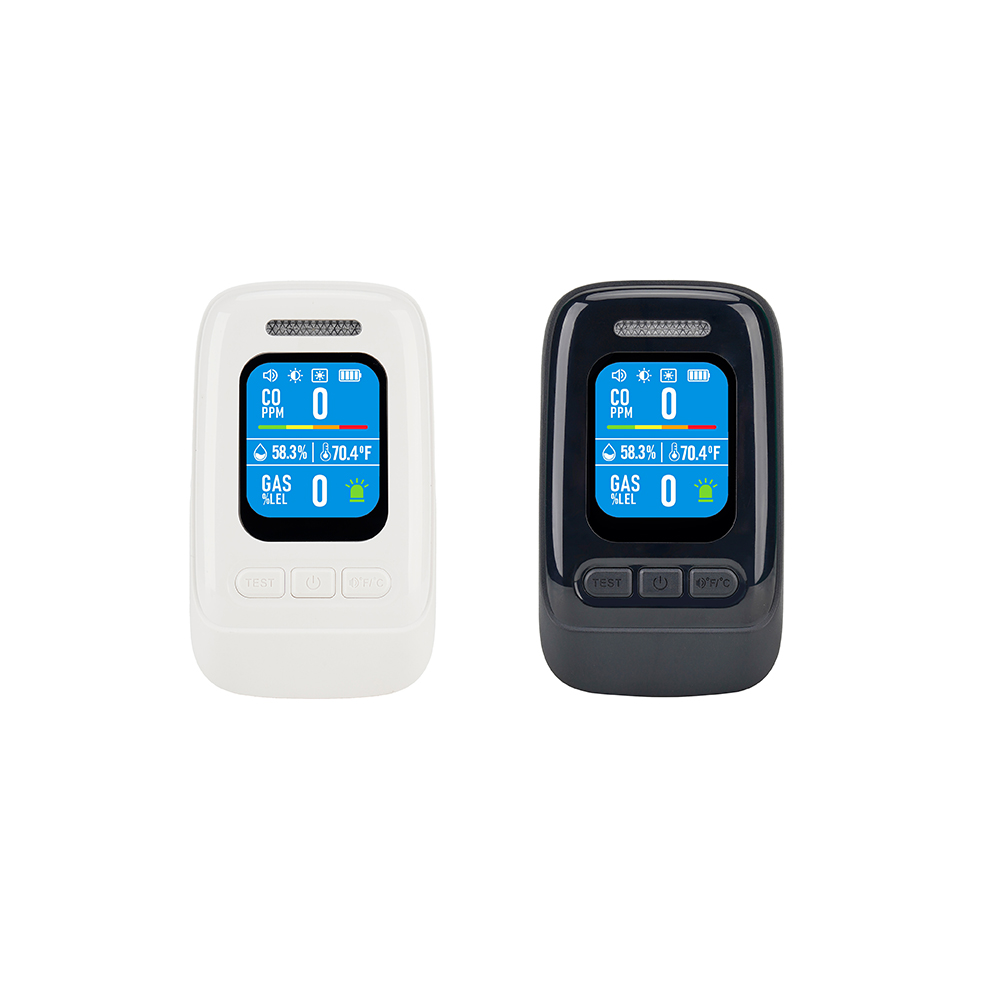
The Internal Anatomy of an Electrochemical Cell
An electrochemical gas sensor functions fundamentally as a miniature fuel cell designed to generate a micro-ampere electrical current when exposed to target gas molecules. Unlike optical sensors that measure light scattering or catalytic sensors that burn gas on a heated coil, an electrochemical cell operates at ambient room temperature via chemical catalysis.
A high-performance three-electrode electrochemical sensor consists of several critical structural elements:
The Gas Diffusion Aperture and Hydrophobic Membrane
Ambient air enters the sensor through a precisely calibrated capillary opening at the top of the casing. Directly beneath this opening is a porous polytetrafluoroethylene (PTFE) membrane. This hydrophobic layer serves two functions: it permits carbon monoxide molecules to diffuse freely into the cell while creating a watertight barrier that prevents the liquid electrolyte from evaporating or leaking out. The physical diameter of the diffusion barrier controls the sensor’s sensitivity and dynamic response curve.
The Three-Electrode Architecture
Modern commercial-grade sensors use three distinct electrodes bathed in electrolyte:
-
Working Electrode (Sensing Electrode): Positioned immediately below the diffusion membrane, this electrode is coated with a porous catalytic noble metal, typically platinum or ruthenium. This is the catalytic site where incoming carbon monoxide molecules undergo electrochemical oxidation.
-
Counter Electrode: Positioned deeper inside the cell, the counter electrode completes the internal electrical loop by facilitating an oxygen reduction reaction, maintaining chemical and electrical equilibrium.
-
Reference Electrode: Older, low-cost sensors relied on basic two-electrode designs that drifted significantly over time. High-grade sensors incorporate a stable reference electrode that fixes the electrical potential of the working electrode, preventing voltage fluctuations during sudden shifts in atmospheric pressure or humidity.
The Aqueous Acid or Gel Electrolyte Reservoir
The electrodes are separated by non-conductive porous separators immersed in an aqueous acid electrolyte, most commonly high-purity sulfuric acid (H2SO4), or an immobilized ionic gel. The electrolyte provides a stable chemical medium through which positively charged hydrogen ions (protons) travel between the working and counter electrodes.
The Electrochemical Reaction Explained: Chemical to Electrical Signal
The transition from an invisible airborne gas leak to an audible alarm horn relies on a continuous, two-part reduction-oxidation (redox) reaction.
The Anodic Oxidation Reaction
When carbon monoxide gas molecules diffuse through the protective membrane and reach the catalytic working electrode, they react with water molecules contained in the electrolyte:
CO + H2O -> CO2 + 2H+ + 2e-
During this reaction:
-
Carbon monoxide is oxidized into carbon dioxide.
-
Hydrogen ions (protons) are generated and migrate through the liquid electrolyte toward the counter electrode.
-
Free electrons are released onto the conductive substrate of the working electrode.
The Cathodic Reduction Reaction
Simultaneously, ambient oxygen dissolved in the electrolyte reacts at the counter electrode, absorbing the electrons arriving through the external circuit:
1/2 O2 + 2H+ + 2e- -> H2O
The hydrogen ions combine with oxygen to reform water, ensuring that the sensor’s internal water balance is chemically conserved under ideal ambient conditions.
Linear Current Output and Signal Conversion
The flow of electrons from the working electrode through the external circuit creates a small electrical current measured in micro-amperes (uA). Because the physical diffusion barrier limits the inflow of gas molecules, the generated electrical current is directly linear to the surrounding carbon monoxide concentration across a broad operating band:
Current (uA) = Sensitivity Coefficient x Gas Concentration (PPM)
An ultra-low-power operational amplifier circuit converts this micro-current into a measurable voltage. The detector’s onboard microcontroller samples this voltage at regular intervals, applying time-weighted averaging to verify compliance with mandatory safety response curves.
Technical Comparison: Sensor Architectures for Gas Alarms
| Evaluation Metric | Electrochemical CO Sensor | Metal Oxide Semiconductor (MOS) | Catalytic Bead (Pellistor) |
| Primary Target Gas | Toxic carbon monoxide (CO) | Combustible gases & general VOCs | Flammable gases (Methane, Propane) |
| Operating Current Draw | Sub-micro-ampere (battery friendly) | 50 to 100 mA continuous heater current | 100 to 150 mA continuous heater current |
| Output Linearity | Highly linear (0 to 1,000 PPM) | Non-linear logarithmic curve | Highly linear up to 100% LEL |
| Resistance to False Alarms | High (with integrated charcoal filter) | Low (reacts to cooking wine, steam, perfumes) | Moderate (susceptible to silicone poisoning) |
| Ideal Power Supply | 10-year sealed lithium or AA batteries | AC mains plug-in or hardwired power | AC mains plug-in or hardwired power |
Sensor Lifespan, Electrolyte Evaporation, and Storage Shelf Life
Unlike optical smoke chambers that operate without chemical consumption, every electrochemical cell has a finite chemical lifespan.
Environmental Degradation Factors
The operational life of an electrochemical cell typically spans 5 to 10 years, governed by ambient environmental conditions:
-
Electrolyte Evaporation in Arid Climates: In sustained low-humidity environments (below 25% relative humidity), water vapor slowly escapes through the diffusion membrane. Over several years, electrolyte dehydration increases internal impedance, eventually making the sensor unresponsive.
-
Moisture Absorption in Humid Climates: In tropical or high-humidity regions (above 90% relative humidity), the cell absorbs water from the air, diluting the electrolyte and swelling the internal reservoir.
-
Catalytic Poisoning: Continuous exposure to heavy airborne contaminants, such as silicone polishes, harsh solvents, or sulfur compounds, can gradually passivate the active platinum catalytic sites.
Understanding these environmental boundary limits is essential when reviewing our technical CO detector guide for supply chain inventory rotation and warranty planning.
Shelf-Life Management for Importers
An electrochemical sensor’s lifespan begins the day electrolyte is injected at the component factory, not when the end consumer powers on the alarm:
-
Unpowered Storage: High-quality sensors can be stored in climate-controlled facilities (15°C to 25°C at 30% to 70% relative humidity) for up to 12 months before assembly without measurable loss of sensitivity.
-
Inventory Turnover: Importers should mandate strict First-In, First-Out (FIFO) warehousing protocols with manufacturers to avoid shipping finished stock that has spent extended months in transit or staging warehouses.
Quality Control Benchmarks When Sourcing from Chinese Manufacturers
When auditing Chinese OEM and ODM manufacturers, buyers must look beyond cosmetic housing design and scrutinize sensor traceability and testing automation.
Sensor Provenance and Component Selection
Always verify the origins of the onboard sensing component:
-
Tier-1 International Brands: Premium alarms incorporate established sensing cells from specialist manufacturers such as Figaro, Nemoto, or City Technology. These components offer proven drift curves and global testing validation.
-
Proprietary Sensor Modules: Many leading Chinese manufacturers manufacture proprietary, certified electrochemical cells. If your supplier uses proprietary modules, demand third-party life-test reports, accelerated aging data, and accredited laboratory certificates confirming compliance with UL component recognition or European standards.
Rigorous Factory Calibration Protocols
Reliable manufacturing facilities never rely on open-air spot checks. A qualified factory must maintain a closed, multi-stage testing workflow:
-
Stabilization Aging: Assembled boards must be placed on burn-in test racks in clean air for at least 48 to 72 hours to establish baseline electrical stabilization.
-
Automated Gas Tunnel Calibration: 100% of finished circuit assemblies should pass through an automated, sealed gas tunnel. Each unit must be exposed to certified reference gases (clean air for baseline, 50 PPM for low-level verification, and 300 PPM for high-speed response testing).
-
EEPROM Calibration Flashing: Individual calibration coefficients and baseline offsets must be permanently programmed into each unit’s onboard microcontroller memory during automated testing.
-
Thermal Stress Auditing: Random samples from every manufacturing lot must undergo cyclic environmental chamber testing (-10°C to +50°C at 90% relative humidity) to guarantee housing seals and sensor stability under extreme transit conditions.
Frequently Asked Questions (FAQ)
Q1: What is the typical operational lifespan of an electrochemical CO sensor?
High-quality electrochemical CO sensors provide a reliable operating lifespan of 5 to 10 years depending on the cell construction, electrolyte reservoir volume, and operating climate. Premium smoke and CO alarms equipped with 10-year sealed lithium batteries utilize industrial-grade electrochemical cells designed to remain active for a full decade before an automated end-of-life signal sounds.
Q2: How do extreme temperatures and low humidity affect electrochemical sensors?
Electrochemical sensors function optimally between 0°C and 40°C. Prolonged exposure to extremely arid conditions (under 20% relative humidity) accelerates water loss through the diffusion membrane, raising internal cell resistance. Temperatures below -10°C slow ionic mobility within the electrolyte, temporarily lengthening response times until the room returns to normal temperatures.
Q3: Can an electrochemical CO sensor also detect flammable gases like methane or propane?
No. An electrochemical CO sensor cannot detect methane, propane, or butane. The catalytic working electrode is specifically engineered for the low-temperature oxidation of carbon monoxide molecules and remains chemically unreactive to stable hydrocarbon alkanes. Detecting flammable fuel gases requires a semiconductor (MOS) or catalytic combustion bead sensor.
Q4: What factory tests prove that an imported CO sensor is truly calibrated?
Importers should require comprehensive automated calibration reports from the manufacturer. Authentic testing requires a 100% automated pass through a closed gas chamber where each detector is challenged with certified reference gas concentrations (such as 50 PPM and 300 PPM CO) and logged in a traceable production database. Suppliers must also furnish valid test certificates from accredited laboratories confirming compliance with UL 2034 or EN 50291-1 standards.
Conclusion
In the toxic gas safety market, the electrochemical sensor is the core engine of every carbon monoxide detector. Understanding its micro-fuel cell chemistry, three-electrode stabilization, and environmental boundary limits enables procurement teams to make informed engineering and sourcing decisions.
Partnering with an experienced manufacturing partner with automated calibration lines and transparent supply chain documentation is the most effective way to guarantee product reliability and regulatory compliance in your target markets.
Zhejiang Sorbo Technology Co., Ltd. specializes in precision residential and commercial safety electronics backed by stringent quality control. We integrate high-stability electrochemical sensors, advanced digital signal processing firmware, and automated closed-tunnel calibration to deliver dependable life-safety performance. Explore our fully customizable OEM and ODM gas detector solutions today, or get in touch with our engineering team to request sample units and compliance test reports for your regional market.
Would you like to check out other related blogs?
Read our:
#Semiconductor vs. Catalytic Combustion Gas Sensors: Which Fits Your Market?
